

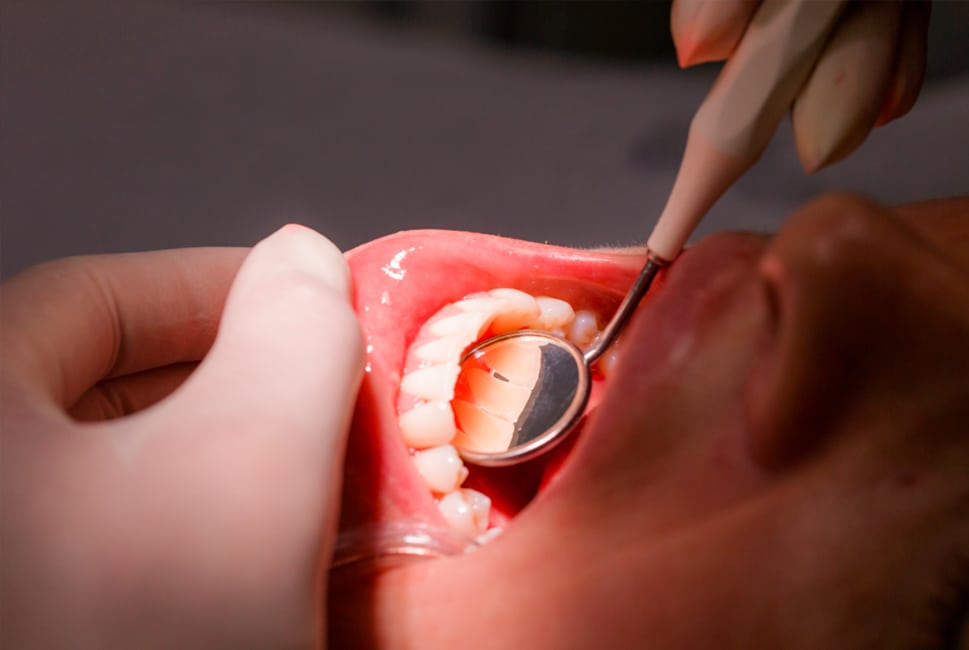
Orthodontics is a specialized field of dentistry focused on diagnosing and treating dental and facial irregularities. This practice addresses the alignment of teeth and jaws, and this may influence various aspects of oral health. Using appliances like braces or aligners, orthodontic treatment applies gentle pressure over time to move teeth into their correct positions. Here is more information about the impact of orthodontics on oral health:
Improved Bite
A misaligned bite happens when your upper and lower teeth do not fit together properly. Orthodontic treatment works to correct these alignment issues, and this process may help you chew food more effectively. You may find that eating becomes a more comfortable experience. When teeth are properly aligned, the force of chewing is distributed evenly, which reduces excessive wear on certain teeth and provides these benefits:
- Aligns upper and lower teeth to ensure proper fit and function.
- Enhances the efficiency of chewing by distributing pressure evenly.
- Reduces discomfort and strain on the jaw during eating.
- Prevents excessive wear and tear on misaligned teeth.
- Improves the ability to break down food for better digestion.
Reduced Jaw Pain
Misaligned teeth and jaws sometimes contribute to strain on the temporomandibular joints (TMJ). This strain can lead to discomfort, and some people experience jaw pain or headaches as a result. While many factors contribute to jaw pain, aligning the bite can alleviate some of the stress on these joints. Correcting the bite creates a more balanced and harmonious function between your teeth, muscles, and jaw joints.
Clearer Speech
Your teeth play a role in how you form certain sounds for speech. Specific speech sounds are made when the tongue makes contact with the teeth. Gaps between teeth or misaligned teeth can sometimes interfere with this process, leading to speech impediments like a lisp.
By correcting the position of the teeth, orthodontics can help address these speech-related issues. Proper alignment provides the tongue with the correct surfaces to press against when you are speaking. This can help with clearer articulation.
As teeth move into their proper places, you might notice gradual changes in your speech patterns. It can take time for your tongue and mouth to adapt to the new tooth positions. Consistent practice speaking with the new alignment helps your brain and muscles adjust, potentially leading to improved pronunciation and vocal clarity.
Reduced Gum Disease Risk
Crowded or overlapping teeth are typically difficult to clean thoroughly. These tight spaces create areas where plaque and food particles can accumulate easily, as they are hard to reach with a toothbrush or floss. This buildup increases the risk of developing gum disease, and it may lead to cavities over time.
Straightening teeth through orthodontics eliminates these hard-to-clean spots. When teeth are properly aligned, brushing and flossing become more effective, so you can remove plaque more easily from all tooth surfaces. This improved oral hygiene directly contributes to healthier gums, and it may lead to a lower risk of periodontal problems.
Find Orthodontics Near You
Orthodontic treatment addresses the alignment of your teeth and jaws, which can have an effect on your overall oral health. If you are interested in learning more about how orthodontics may relate to your specific situation, a consultation with a specialist is a good next step. Contact a local orthodontic office to schedule an appointment and discuss your options.

