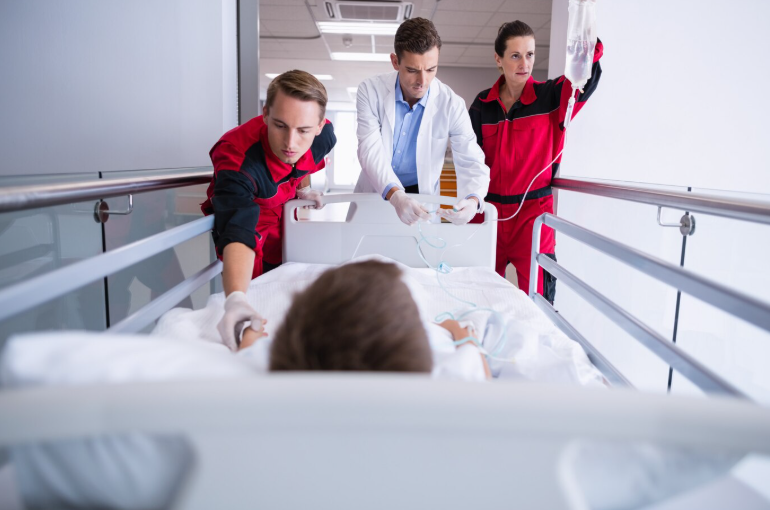

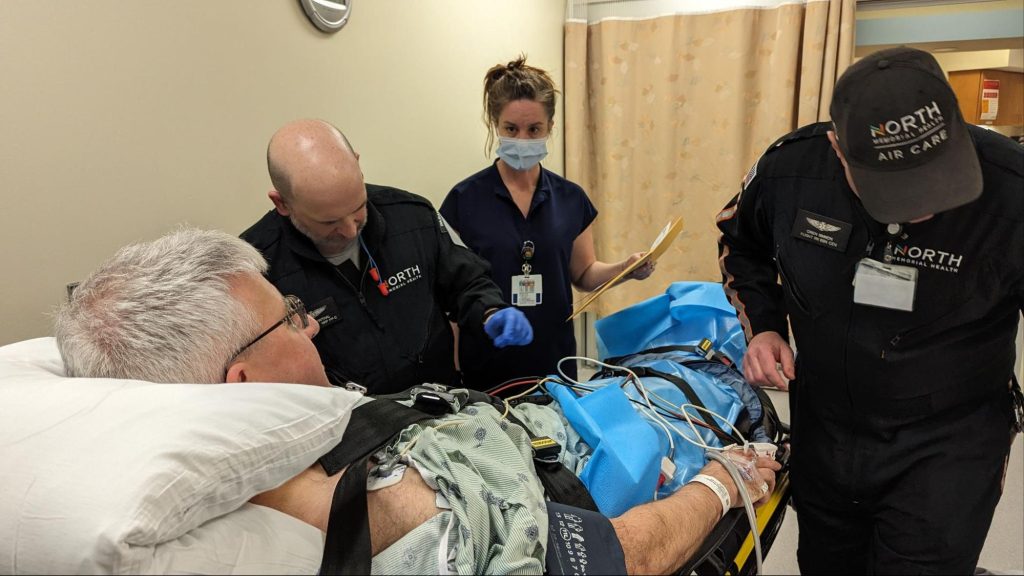
Healthcare systems often face increased strain when emergency rooms are used for non-life-threatening conditions. Urgent care centers play a significant role in addressing this challenge by providing timely treatment for minor illnesses and injuries outside of hospital emergency departments. Here’s more information on how immediate care centers can alleviate emergency room congestion:
Understanding Urgent Care
Urgent care centers serve as a connection between primary care physicians and hospital emergency departments. They treat medical issues that require immediate attention but are not severe enough to warrant an ER visit. These facilities often have extended hours, including evenings and weekends, making them accessible when standard doctors’ offices are closed. The primary function of urgent care is to provide accessible, high-quality medical treatment for acute illnesses and injuries. This helps divert a significant volume of patients away from the ER, allowing hospital staff to focus on life-threatening emergencies such as heart attacks, strokes, and severe trauma.
Treating Common Conditions
Many patients visit the emergency room for conditions that can be effectively managed in a same-day clinic. The following conditions are commonly treated at urgent care centers, offering a faster alternative to the hospital:
- Minor fractures and sprains: Urgent medical care can typically handle the X-rays and splinting of minor fractures and sprains.
- Cuts and lacerations: Wounds that are not bleeding heavily but require stitches are appropriate for these facilities.
- Flu and cold symptoms: Fever, cough, sore throat, and congestion are standard ailments managed by urgent medical care providers.
- Urinary tract infections (UTIs): Painful urination and other symptoms are diagnosed and treated quickly with on-site lab testing.
- Ear and eye infections: Earaches and pink eye are common reasons for visits and can be resolved with prescription antibiotics.
Understanding the range of conditions that immediate care centers can effectively address helps patients make informed decisions about where to seek timely and appropriate medical care.
Reducing System Strain
One immediate impact of using urgent care is reduced wait times in emergency departments. ERs operate on a triage system, meaning patients with the most life-threatening conditions are seen first. Consequently, patients with less pressing issues may wait hours to see a physician. When these patients choose immediate care instead, they receive treatment faster, and the ER queue becomes shorter for everyone else.
Emergency rooms are equipped with specialized technology and staffed by trauma teams trained to respond to life-threatening events. When these resources are used for minor ailments, it creates an inefficiency in the system. Diverting non-emergency cases to urgent medical care centers allows hospitals to preserve their specialized equipment and personnel for patients who truly need urgent intervention.
Improving Care Efficiency
The symbiotic relationship between immediate care centers and hospitals creates a balanced healthcare ecosystem. Here are several key benefits that immediate care centers provide to both individual patients and the broader medical community:
- Extended accessibility: With hours that often include nights and weekends, patients can access care without waiting for a primary care appointment.
- Preservation of ER resources: Hospitals can focus their staff, beds, and equipment on trauma and pressing cases.
- Continuity of care: Many urgent care centers can share records with primary care providers to make sure follow-up is consistent.
- Community health support: These centers serve as a safety net, providing vaccinations, physicals, and screenings to keep the general population healthier.
Immediate care centers play a significant role in bridging the gap between primary care and emergency services.
Book Your Urgent Care Appointment
Choosing the right setting for medical treatment is a decision that impacts your health and your community. Urgent care centers offer a practical, efficient, and high-quality alternative to the emergency room for non-life-threatening conditions. Understanding the capabilities of these facilities helps you receive faster care and alleviates strain on emergency departments.