

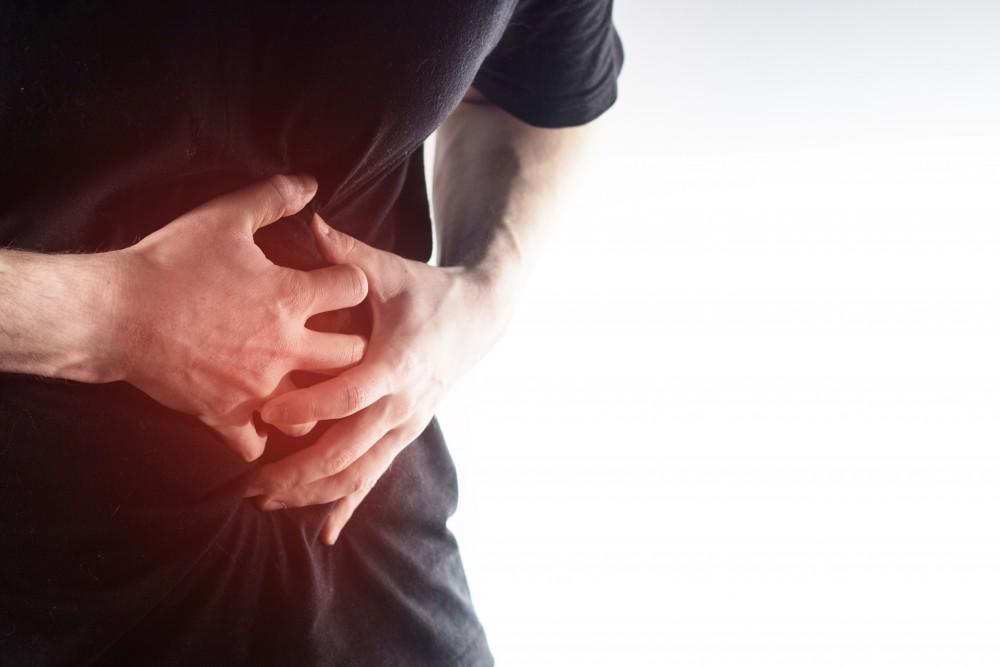
The gallbladder, a small organ located beneath the liver, plays a specific role in the digestive process by storing bile, a fluid produced by the liver that aids in the digestion of fats. When this organ is removed, the body must adapt to a new way of managing bile flow. For many individuals, this transition after gallbladder removal requires adjustments to daily eating habits.
What Is Gallbladder Removal?
Gallbladder removal surgery is a surgical procedure where a surgeon removes the gallbladder entirely. The procedure typically occurs in one of two ways. Laparoscopic cholecystectomy involves several small incisions in the abdomen where the surgeon inserts a tiny camera and specialized instruments through these openings to extract the organ. This minimally invasive approach can result in less pain and a quicker return to normal activities. In some cases, an open cholecystectomy becomes necessary. This method involves a single, larger incision in the upper right side of the abdomen. Regardless of the technique used, the outcome remains the same, and the body no longer has a storage reservoir for bile. Instead, bile flows directly from the liver into the small intestine.
What Is It Used For?
Surgeons perform this procedure primarily to treat gallstones and the complications they cause. Gallstones are hardened deposits of digestive fluid that can form in the gallbladder; these stones range in size from a grain of sand to a golf ball. While some people develop stones without symptoms, others experience significant pain and health issues.
When gallstones block the ducts leading out of the gallbladder, they cause sudden and intense pain in the upper right abdomen. This blockage can lead to inflammation of the gallbladder, the pancreas, or the bile ducts. Removal of the organ effectively eliminates the source of these stones and prevents recurrent attacks and associated complications. Doctors may also recommend surgery for biliary dyskinesia, a condition where the gallbladder does not empty bile correctly. By removing the malfunctioning organ, patients may find relief from these persistent symptoms.
What Does Recovery Entail?
Recovery from gallbladder removal involves both physical healing and dietary adaptation. Because the body can no longer store bile for release during a fatty meal, continuous trickles of bile enter the intestine; this change affects how the body processes fat. Many individuals find that high-fat foods are difficult to digest in the weeks following the procedure. Fiber intake should be increased gradually, as adding too much bulk too quickly can also strain digestion. Smaller, more frequent meals may prove easier to digest than three large ones. This approach can prevent the digestive system from being overwhelmed by a large volume of food at once. Most people can slowly reintroduce fats into their diet over time, observing how their body reacts to different foods.
Speak Further With a Surgeon
Some may find they have lasting sensitivities to specific foods, while others experience no long-term dietary restrictions. If digestive issues persist beyond the initial recovery period or if new symptoms arise, scheduling a follow-up consultation provides an opportunity to address these concerns. A surgeon can offer personalized strategies to optimize digestion and long-term health, and professional guidance helps clarify whether symptoms stem from the surgery or unrelated digestive conditions.