

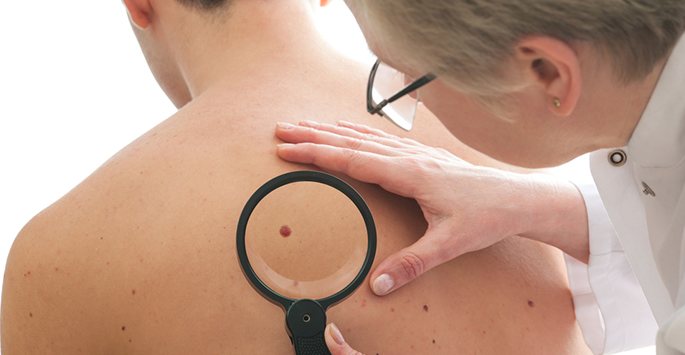
Finding a medical provider to manage skin health is a beneficial step for proper care. A general practitioner may identify a suspicious lesion, but a specialist provides the necessary diagnosis and treatment plan. When choosing a qualified Dermatologist, focus on their oncology expertise aids appropriate care. Patients should take into account specific credentials and practice protocols when making their choice.
Check Board Certification
Board certification is a main sign of a with dermatologist specialized training and expertise. The American Board of Dermatology sets high standards to make sure certified doctors have advanced knowledge of complex skin conditions. Verifying certification confirms your provider has gone beyond general practice to excel in dermatology.
It’s also beneficial to confirm that the physician maintains their certification through ongoing medical education. This helps make sure they stay up to date with the most recent developments in dermatology and treatments. Certification status is public and can be easily verified through online medical board databases.
Evaluate Skin Cancer Experience
When selecting a physician for skin cancer treatment, it’s also helpful to assess their specific experience in this area. Not all dermatologists have the same focus; some may specialize in cosmetic procedures, while others specialize in diagnosing and treating various skin cancers. Key points to keep in mind include:
- Practice Focus: Inquire whether the physician’s practice specializes in treating skin cancers such as basal cell carcinoma, squamous cell carcinoma, and melanoma. A provider who treats these conditions daily will have more refined diagnostic and surgical skills.
- Case Volume: Ask the provider how many skin cancer cases they handle. A high volume often correlates with greater proficiency, leading to better diagnostic accuracy and more successful surgical outcomes.
- Technical Skills: A practice focused on skin cancer indicates that the physician has the specialized skills required for delicate tumor removal and subsequent reconstructive procedures.
Review Treatment Options
Advances in medical technology offer several approaches to address skin malignancies. While surgery is common, topical therapies and radiation are effective for certain early-stage cancers. A provider offering multiple modalities can tailor a plan to your specific needs. Ask if they perform Mohs micrographic surgery, an accurate method for conserving healthy tissue. A well-equipped practice typically provides or coordinates:
- Standard surgical excision
- Mohs micrographic surgery
- Topical chemotherapy or immunotherapy
- Cryosurgery or electrosurgery
Evaluate Communication Style
Clear communication is beneficial for alleviating the anxiety often associated with medical appointments. Your physician should explain your diagnosis in plain, accessible language and address your concerns without rushing. During your consultation, notice how the provider answers questions regarding risks, recovery times, and potential scarring. A surgeon who invites your inquiries demonstrates that they value your participation in the decision-making process.
Choose the Right Dermatologist
Making an informed decision about your medical care allows you to move forward. When you evaluate a Dermatologist based on their certification, experience, and communication style, you put your wellness first. This structured strategy removes guesswork from the equation. If you have concerns about a changing mole or skin spot, contact a dermatologist to schedule a check-up.

