

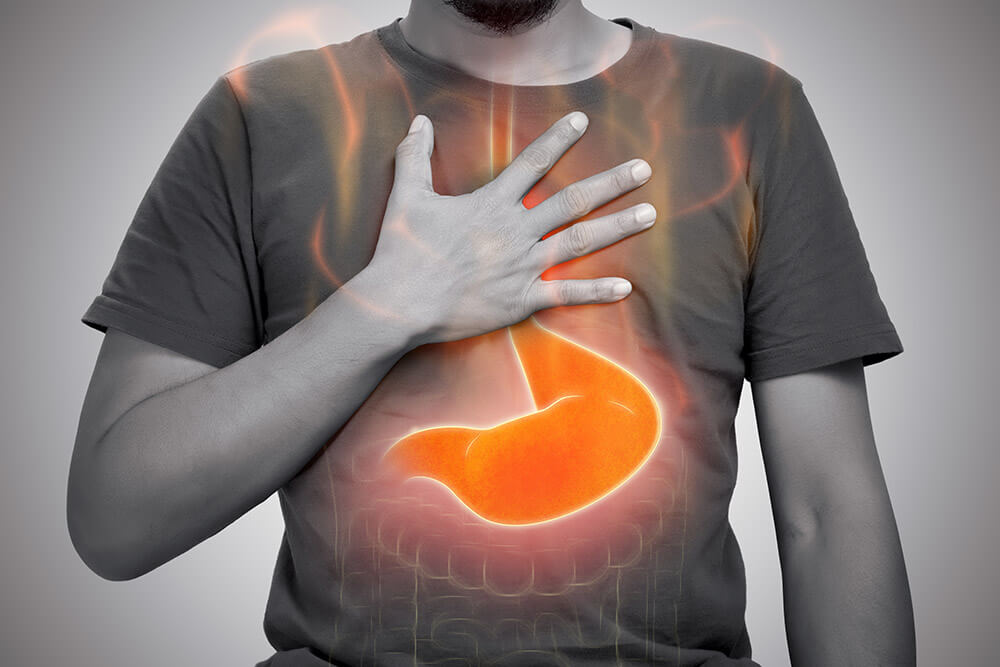
Ulcerative colitis (UC) is a chronic inflammatory bowel disease that causes inflammation and sores in the lining of the large intestine. The symptoms can vary in severity and often include abdominal pain, cramping, and urgent bowel movements. While this condition is chronic, many people manage their symptoms, and they live actively with treatment and lifestyle changes. Daily habits play a key role in ulcerative colitis treatment.
Dietary Adjustments
What you eat plays a significant role in how you feel when living with ulcerative colitis, and while no specific diet cures UC, certain foods can trigger flare-ups or worsen existing symptoms. Identifying your personal triggers helps with long-term management. Keeping a food diary can help you track what you eat and how your body reacts to it.
You might find relief during a flare-up by eating smaller, more frequent meals throughout the day instead of three large ones. Large meals can put extra strain on your digestive system, leading to increased cramping. Staying hydrated is also significant, as diarrhea can lead to dehydration quickly. Water is the best choice, but you should avoid caffeine and alcohol because they can stimulate the intestines and worsen diarrhea.
Common dietary triggers often include:
- Dairy products: Many people with UC also have lactose intolerance or find that dairy worsens gas and bloating.
- High-fiber foods: While fiber is generally healthy, raw fruits, vegetables, and whole grains may irritate inflamed intestines.
- Spicy foods: Hot spices can cause discomfort and irritation in the digestive tract.
Consider working with a registered dietitian who specializes in digestive health to create a meal plan that meets your nutritional needs without aggravating your symptoms.
Stress Management
Stress does not cause ulcerative colitis, but it can significantly exacerbate symptoms and potentially trigger flare-ups. The gut and the brain are closely connected, so emotional stress often manifests as physical digestive distress. Implementing effective stress management techniques can improve your overall quality of life and may help your ulcerative colitis treatment. Exercise is a powerful tool for reducing stress and maintaining general health. Mild to moderate activities like walking, swimming, or yoga can reduce tension without placing excessive strain on your body. Listen to your body and rest when you feel fatigued or have a flare.
Sleep is another critical component of stress management and immune health. Aim for seven to eight hours of quality sleep each night, and let your body recover fully. Poor sleep can increase inflammation markers in the body, making symptoms harder to manage.
Helpful Tips for Ulcerative Colitis Treatment
Managing UC often means being proactive, and even small changes can make leaving the house easier.
- Know where restrooms are: When visiting a new place, locate the nearest restroom right away to reduce anxiety about needing to use one.
- Pack a supply kit: Keep an emergency kit with wipes, extra underwear, and any necessary medications in your car or bag.
- Avoid NSAIDs: Nonsteroidal anti-inflammatory drugs (such as ibuprofen and aspirin) may worsen UC symptoms, so check with your doctor before using them.
- Talk to others: Joining a support group can connect you with people who understand your challenges and can offer practical advice.
Adhere to your prescribed medication plan, even when you are feeling well. Stopping medication without consulting your doctor can lead to a return of symptoms.
Contact Your Doctor Today
Living with ulcerative colitis requires ongoing medical supervision and open communication with your healthcare team. If your current treatment plan is not providing relief, or if you experience new or worsening symptoms, reach out. Your doctor can help adjust your medication, or they can suggest additional lifestyle changes to better manage your condition.