

Plantar fasciitis is a typical source of heel pain, and it can impact people with active lifestyles. It involves inflammation of the plantar fascia, which is a thick band of tissue running across the bottom of your foot. This tissue connects your heel bone to your toes, and when it becomes strained, it can cause stabbing pain that is typically felt during the first steps in the morning. Here are some preventive measures for plantar fasciitis:
Wear Orthotics
Orthotics are shoe inserts that offer additional support. Some orthotics are available over the counter, while a specialist can create custom versions molded to your feet. These devices are designed to correct biomechanical foot issues, and they provide cushioning for the heel and arch area. When you stand or walk, orthotics help absorb shock that would otherwise impact the plantar fascia.
Prioritize Arch Support
Choosing footwear with adequate arch support is a significant step, and it can help reduce pain. If your shoes lack built-in support, the plantar fascia may experience increased stress. You might find shoes designed for your specific foot type, and this choice can help distribute pressure evenly across your feet. Proper support helps maintain correct foot mechanics during activity.
Wearing the right footwear significantly impacts the prevention and management of plantar fasciitis. Shoes with good arch support and adequate cushioning protect your feet, and they absorb daily stresses from walking or standing. It’s helpful to avoid shoes with thin soles or high heels, as they can exacerbate strain on the plantar fascia.
Look for footwear designed specifically for support and comfort, and replace worn-out shoes regularly to promote consistent protection for your feet. When shopping, ctry visiting a store specializing in orthopedic or athletic footwear. Seek expert advice, and they can help you choose footwear.
Replace Worn-out Shoes
Shoes lose their supportive qualities over time. An athletic shoe’s cushioning and stability break down with repeated use, so you might need to replace them after a certain number of miles or hours of wear. Continuing to wear worn-out footwear may contribute to foot strain because the shoes no longer provide adequate shock absorption. Keeping track of your shoe usage is a practical habit.
Indicators that a shoe is worn out include:
- Uneven tread wear
- Visible wrinkles in the midsole
- Sfot heel counters
A simple test involves placing the shoes on a flat surface. If they tilt to one side, they have lost their structural integrity. Inspecting your shoes regularly allows you to identify when a replacement is needed.
Stretch Calves
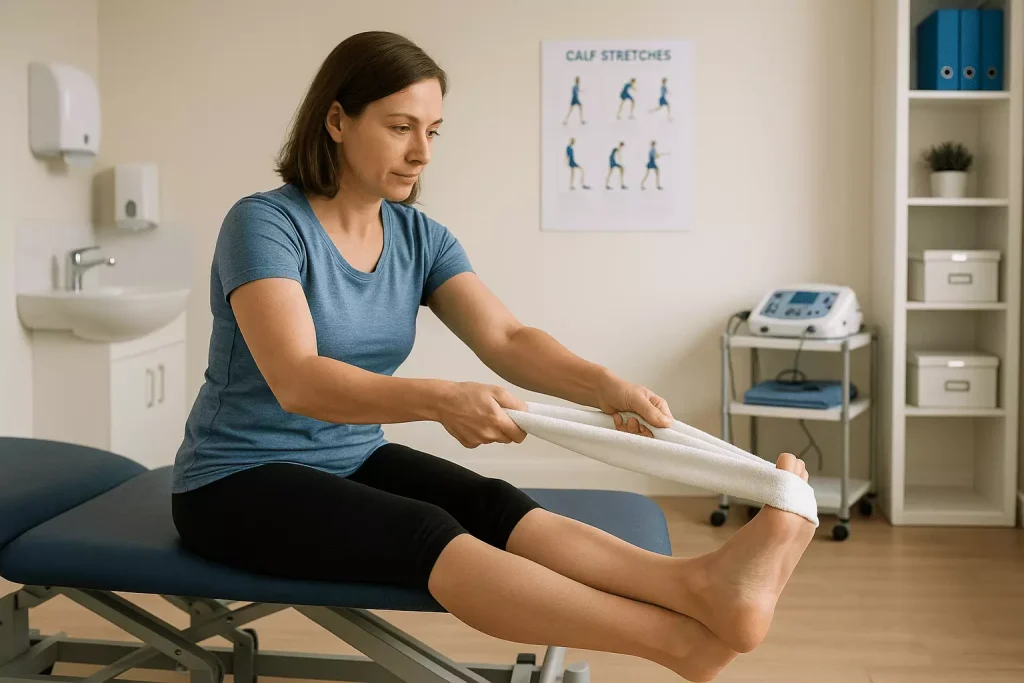
Tight calf muscles can pull on the heel bone. This tension may strain the plantar fascia, which attaches near the same area. Performing regular calf stretches helps to lengthen these muscles, and you can do simple stretches against a wall or on a step to maintain flexibility.
A consistent stretching routine can help alleviate tension in the lower leg. While you are stretching, you may feel a gentle pull in your calf. Hold each stretch without bouncing, and repeat it multiple times for each leg.
Get Treated for Plantar Fasciitis
When heel pain persists, seeking a professional evaluation is an option. A healthcare provider can perform an examination to confirm the cause of your foot pain and rule out other conditions. They will review your symptoms and medical history, and they may observe your foot structure and how you walk. If you are experiencing persistent heel pain and would like to understand your options, schedule an appointment with a foot and ankle doctor.