

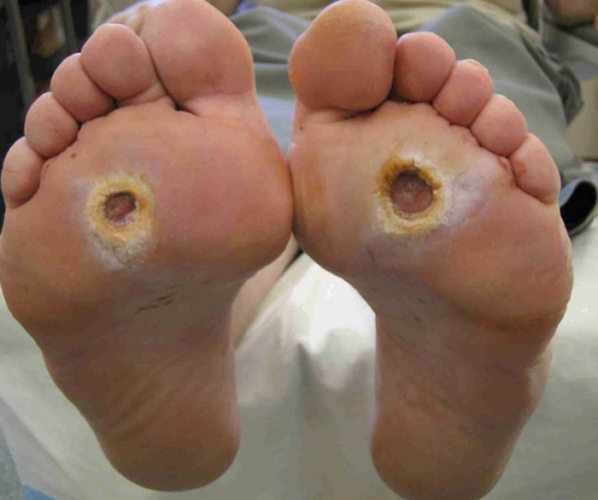
Diabetes impacts blood circulation negatively over time, and foot ulcers form when pressure points break down the skin. Managing complex diabetic wounds requires immediate medical attention from a specialized vascular care team. Because nerve damage hides pain signals, patients discover these severe injuries at a dangerous late stage. Here are some effective strategies fo diabetic wound care:
Ultrasound Examination
Physicians utilize advanced ultrasounds to accurately map blood flow throughout the lower extremities. When a patient arrives with a non-healing wound, the medical team orders this non-invasive diagnostic test. Sound waves bounce off blood cells, and a computer converts these echoes into visible images on screen. This initial diagnostic step quickly identifies specific vascular blockages in the leg arteries.
Because the test provides real-time images, the doctor can immediately evaluate the severity of the circulation loss. The technician typically applies gel to the leg, but the procedure causes absolutely no pain to the patient. Precise anatomical data guides the subsequent medical treatment steps for optimal recovery outcomes.
Angiogram Procedure
An angiogram provides a highly detailed structural view of the arteries within the affected leg. The specialized dye is used to make blood vessels visible on X-ray, so surgeons plan interventions with high accuracy. If the ultrasound suggests poor circulation, this advanced imaging test confirms the location of the arterial disease. For diabetic wound care, doctors may perform these steps:
- Map of arterial blockages
- Confirmation of blood flow restrictions
- Preparation for potential surgical revascularization
- Assessment of small vessel disease
Surgery Options
Debridement is used to remove dead or infected tissue from the surface of the diabetic wound bed. Because infections can spread rapidly in diabetic wounds, surgeons must clean the area to promote healthy tissue growth. Doctors excise the damaged skin carefully, and they wash the area to reduce bacterial load significantly. This standard surgical procedure creates a clean environment for new skin cells to regenerate.
During the healing process, this step creates the conditions needed for the wound to close. Surgery aims to restore the necessary blood flow to the foot to support long-term healing. Surgeons bypass the blocked section of the artery, or they widen the vessel using a small balloon. Blood reaches the toes again, and the immune system begins to repair the damaged tissue effectively.
The team transfers skin from another body part, and they secure it over the clean wound bed. Sometimes, extensive plastic reconstruction saves a compromised limb from the risk of amputation. If a large defect remains after cleaning, the surgeon applies a skin graft to cover the opening. This final protective coverage shields the delicate tissue underneath from external bacteria and damage.
Find Comprehensive Diabetic Wound Care
Prompt medical intervention aims to prevent permanent disability and restore mobility effectively for diabetic patients. If you observe a wound that changes color, be proactive and contact a vascular specialist near you for an exam. These professional teams can utilize advanced technology to diagnose issues, and they can create personalized plans for your recovery. Book your consultation appointment today to begin taking steps toward complete healing.