

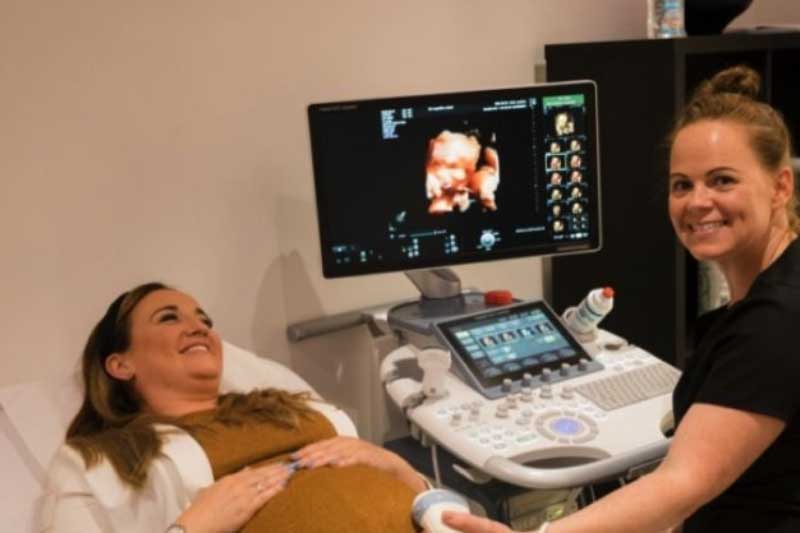
Pregnancy involves ongoing physical and emotional changes, and consistent medical support can make a meaningful difference at every stage. Obstetrics helps to monitor fetal development, identify complications early, and guide significant health decisions along the way. Here’s why continuous care in obstetrics matters:
Detecting Risks Early
Regular and consistent obstetrics appointments allow specialists to monitor health markers over time. This data is helpful for identifying trends that may otherwise go unnoticed in fragmented care settings. Here’s how obstetrics helps to detect risks:
- Baseline Health Establishment: Consistent visits establish a reliable baseline for blood pressure, weight gain, and fetal growth rates.
- Complication Screening: Regular screenings for conditions such as preeclampsia, gestational diabetes, and anemia are more effective when managed by a provider familiar with the patient’s history.
- Fetal Monitoring: Continuous tracking of fetal heart rate and movement patterns facilitates early detection of fetal distress or developmental delays.
- Medication Management: For patients with pre-existing conditions, a consistent provider can better adjust dosages and monitor the interactions of necessary medications during pregnancy.
Early detection of risk factors enables timely interventions, which significantly reduce the risk of severe complications during labor.
Improving Communication
Effective communication between the patient and the provider is a component of successful obstetrics care. When a patient interacts with the same medical team throughout pregnancy, trust and open communication are naturally established. This encourages patients to report symptoms they may otherwise dismiss, such as minor swelling or changes in fetal movement. Providers who know their patients well are also better equipped to explain complex medical information in a way patients can easily understand. A patient who feels heard and understood is more likely to adhere to medical advice and attend follow-up appointments, supporting positive health outcomes.
Planning Safe Births
The labor and delivery process is a significant phase where the benefits of continuous care become evident. An obstetrics specialist who has monitored the pregnancy from the beginning possesses detailed knowledge of the fetal position, estimated size, and any risk factors that may influence the delivery method. This knowledge is key to formulating a safe and effective birth plan. It allows the medical team to anticipate potential challenges, such as the need for a cesarean section or specific interventions for a high-risk pregnancy. During labor, the presence of a familiar medical team can stabilize the clinical environment. The pre-existing knowledge streamlines the workflow in the delivery room, allowing the staff to focus on the mother and child.
Protecting Mom and Baby
The postpartum period, often referred to as the “fourth trimester,” requires the same level of attention as the prenatal phase. Continuous care extends beyond the delivery room to monitor the mother’s physical and physiological recovery and the newborn’s adaptation. Here’s how obstetrics provides support during the post-partum period:
- Physical Recovery Monitoring: Follow-up visits check for proper healing of incisions, uterine involution, and signs of infection or hemorrhage.
- Mental Health Assessment: Continuity allows providers to screen for postpartum depression and anxiety more effectively.
- Breastfeeding Support: Consistent guidance on lactation can resolve issues early, preventing complications like mastitis and supporting infant nutrition.
- Chronic Disease Management: For women who developed gestational hypertension or diabetes, continuous monitoring is fundamental to managing long-term cardiovascular and metabolic health risks.
Comprehensive postpartum care makes sure that acute issues are addressed promptly and that long-term health plans are established.
Book Your Obstetrics Appointment Today
Continuous care in obstetrics provides a structured framework for managing the complex physiological changes of pregnancy and childbirth. It facilitates early risk detection, enhances communication, streamlines delivery planning, and provides thorough postpartum support. To establish a plan for consistent prenatal and postpartum support, contact a qualified obstetrics specialist near you to book your appointment today.