
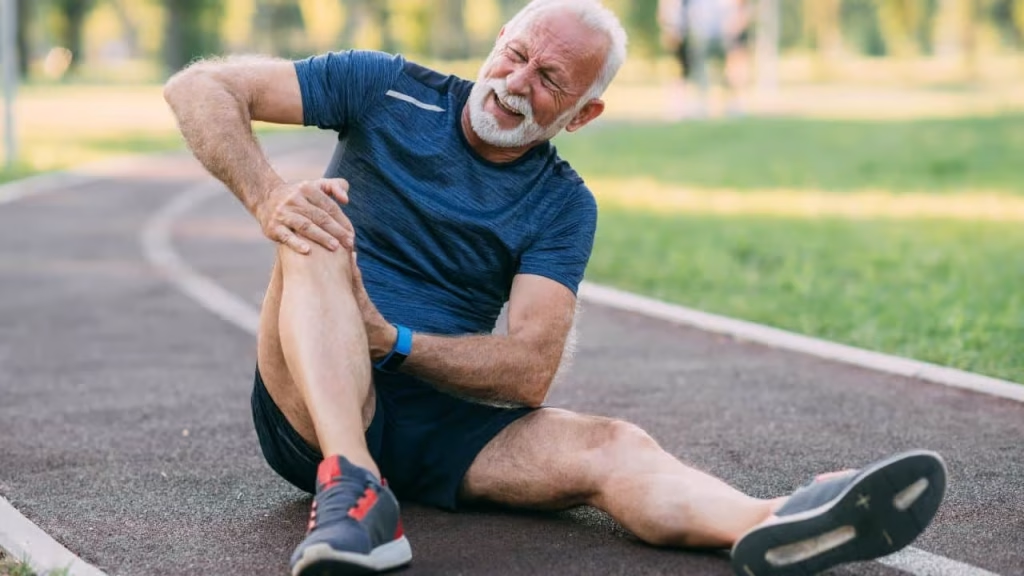
Knee discomfort can limit everyday movement, affect exercise routines, and make simple tasks difficult. Knee pain may result from overuse, injury, arthritis, or muscle imbalances. Effective recovery depends on identifying the cause and following a structured rehabilitation plan. Here’s an overview of knee pain rehabilitation:
Assessing Knee Pain
Many people attempt to exercise despite knee pain or an injury, but this approach often worsens the condition and leads to further damage. A thorough medical evaluation is the first step in any recovery plan before beginning new exercises. A specialist will review your medical history and perform a physical exam to identify the cause of the knee discomfort.
Acute injuries, such as ligament tears, require different protocols than chronic conditions like osteoarthritis or tendinitis. The provider may use imaging modalities such as X-rays, CT scans, or MRIs to visualize the internal structures of the knee. This helps them visualize fractures, cartilage wear, or soft-tissue damage in detail.
Restoring Motion
The initial phase of knee pain rehabilitation focuses on reducing acute symptoms and preventing joint stiffness. The primary goals at this stage are to reduce inflammation and gently reintroduce movement without stressing the tissues. Here is what you can expect during this phase:
- Rest and Activity Modification: Limiting high-impact activities helps reduce stress on the joint during healing.
- Pain Management: This often involves anti-inflammatory medications or corticosteroid injections to control severe swelling and pain.
- Passive Range of Motion: Gentle movements that do not require intense muscle effort help maintain joint flexibility and prevent scar tissue formation.
- Protection: Using bracing or crutches may help offload weight from the affected leg and protect the healing ligaments.
- Modalities: Techniques such as icing or elevating the leg can assist in managing daily swelling levels effectively.
Achieving these initial milestones prepares the knee for more active strengthening exercises in the next phase of recovery.
Strengthening the Knee
Once the initial pain and swelling subside, the focus shifts to restoring muscle function and stability. The knee relies heavily on the quadriceps, hamstrings, and calf muscles for support and proper movement. Weakness in these muscle groups often leads to increased pressure on the joint and causes the bones to absorb too much shock. Physical therapy exercises targeting these areas are helpful for long-term recovery and joint protection.
Strengthening the hips and core is also fundamental, as these areas control leg alignment during movement. If the hips are weak, the knee may collapse inward during walking, which causes strain on the ligaments. A stable muscular base reduces the risk of future knee pain by acting as a shock absorber.
Preventing Relapse
The final stage of rehabilitation integrates the knee into complex movements and the demands of daily living. This phase challenges the joint with functional exercises that mimic real-life activities or sports-specific motions to aid full readiness. These include:
- Proprioception Training: Balance exercises help the body recognize the knee’s position in space, and this skill is key to preventing falls.
- Endurance Activities: Low-impact cardio builds stamina without damaging the cartilage or causing flare-ups.
- Agility Drills: For athletes, changing-direction and jumping exercises make sure that the knee can withstand sudden stress and twisting forces.
- Maintenance Routine: Continuing a basic strength program helps prevent the recurrence of the original injury and maintains muscle mass.
- Gradual Re-entry: Returning to work or sport should occur gradually, and the patient should monitor for any recurrence of pain or swelling.
Consistent adherence to this maintenance routine minimizes the risk of future setbacks or re-injury.
Book Your Knee Pain Appointment
Recovering from knee pain requires consistency and professional guidance. A structured rehabilitation plan addresses the injury from the acute phase to full functional recovery, and professional intervention aligns treatment with the patient’s specific diagnosis and medical needs. Contact a pain management specialist near you to book your appointment for knee pain today.