

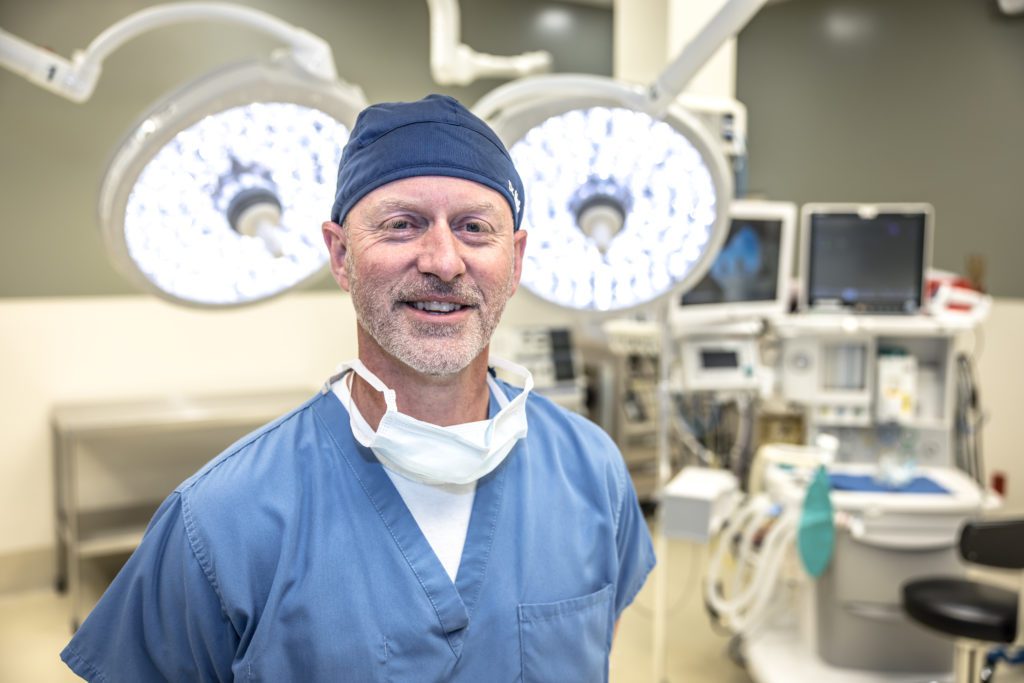
General surgeons manage a broad spectrum of surgical conditions, including the complex care of wounds that resist standard treatment methods. While often associated with operating on internal organs, many surgeons possess specialized expertise in advanced wound management. This specialization involves assessing, cleaning, and treating acute and chronic wounds to promote effective healing and prevent complications like infection. Here’s more information about the role of a general surgeon for wound care:
Surgical and Chemical Debridements
When a wound fails to heal through basic care, a general surgeon intervenes with targeted procedures, and they help to restore the integrity of the skin and underlying tissues. A primary responsibility of a surgeon in wound care is debridement, which is the removal of dead or infected tissue. This process is fundamental because necrotic tissue can harbor bacteria, increase inflammation, and physically obstruct the growth of healthy skin.
Without effective debridement, the body’s natural healing mechanisms often stall, leading to chronic, non-healing wounds. A general surgeon utilizes different methods to achieve this, with surgical and chemical debridement being two common approaches. Surgical debridement, also known as sharp debridement, involves using sharp instruments to precisely cut away unhealthy tissue
This method allows the surgeon to convert a chronic wound into an acute one, which stimulates the body’s repair processes. Chemical debridement, also known as enzymatic debridement, uses topical ointments containing enzymes that dissolve necrotic tissue over time. A surgeon determines the most appropriate method based on the wound’s severity, location, and the patient’s overall health status.
Skin Grafts
When a wound is too large to close on its own or involves significant tissue loss, a general surgeon may perform a skin graft. Skin grafting is a surgical procedure where healthy skin is transplanted from one part of the body to the wound site. This technique is often necessary for deep burns, large trauma wounds, or infected surgical sites. The graft provides a biological covering that protects the area from infection.
In addition to traditional autografts (skin from the patient), surgeons may utilize skin substitutes. These can be biological materials derived from human or animal tissue, or synthetic materials engineered in a laboratory. Skin substitutes encourage the patient’s own cells to migrate and regenerate new tissue. The surgeon selects the most effective graft or substitute based on the wound’s depth and the vascularity of the wound bed.
Hyperbaric Oxygen Chamber
For wounds that are hypoxic, meaning they lack sufficient oxygen, general surgeons may recommend hyperbaric oxygen therapy as an adjunctive treatment. A hyperbaric oxygen chamber is a pressurized medical device that allows a patient to breathe 100% pure oxygen. Inside the chamber, the air pressure is increased to levels higher than normal air pressure, usually between 2 to 3 times normal atmospheric pressure. This pressurized environment allows the lungs to gather much more oxygen than would be possible breathing pure oxygen at normal air pressure.
The primary benefit of this therapy is the significant increase in oxygen delivery to the body’s tissues. Oxygen is invaluable for wound healing, as it fuels the cells responsible for fighting infection and building new tissue. When a patient is in the chamber, the high concentration of oxygen dissolves into the bloodstream and permeates areas with compromised circulation. This influx of oxygen helps:
- Reduce Swelling
- Control Infection
- Stimulate the Release of Stem Cells
Contact a General Surgeon Today
Persistent wounds require specialized attention to prevent serious complications and enable proper recovery. General surgeons offer the technical skills and medical knowledge necessary to manage complex wounds through debridement, grafting, and hyperbaric oxygen. If you have a chronic surgical wound, consult a surgeon, as a specialist can determine which treatments are most effective.

