

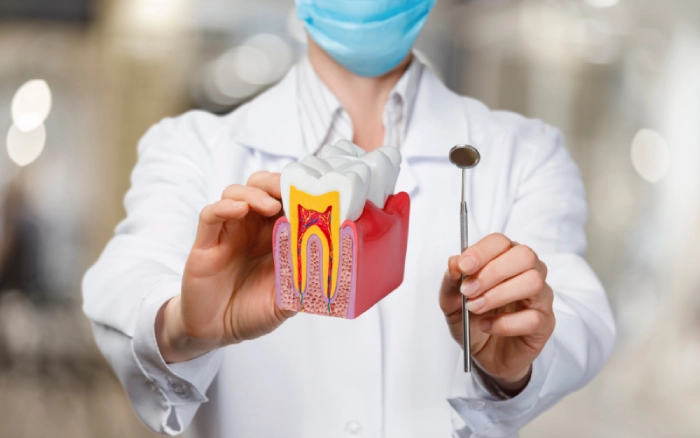
Root canal therapy is a dental procedure that treats infection within a tooth. This treatment involves removing the infected or inflamed pulp, cleaning and shaping the inside of the canal, and then filling and sealing the space to prevent re-infection. A root canal procedure is a restorative treatment, but the recovery process may necessitate follow-up visits with your provider. Aftercare and monitoring are key components of the overall treatment plan, verifying that the tooth heals and functions as intended. Here’s information on the role of follow-up appointments after a root canal therapy treatment:
Assessing Your Treatment
After the root canal procedure, the focus shifts to monitoring the healing process and maintaining the treated tooth’s structural integrity. Follow-up care is not a formality; it acts as a checkpoint to evaluate the success of the therapy. During these visits, your dentist examines the tooth and surrounding tissues to confirm that healing is progressing as it should. Returning for a check-up assessment allows your dentist to perform necessary evaluations that you cannot do at home.
How Can Follow-up Appointments Benefit You?
X-rays are often taken during follow-up visits to show how the bone surrounding the tooth root is responding to treatment. This imaging shows if the bone is healing or if there are signs of persistent inflammation that require attention. Follow-up appointments provide an opportunity to discuss placing a permanent restoration, such as a crown, which is often required to protect a natural tooth from fracture. The temporary filling placed immediately after the root canal is not designed for long-term use, so transitioning to a permanent solution is fundamental for your tooth’s longevity.
When Should You Contact Your Dentist?
While some tenderness is normal immediately following the procedure, certain symptoms warrant immediate professional attention. You should contact your dental office if you experience severe pain or pressure that lasts more than a few days, and visible signs of swelling may indicate an infection. If your temporary filling comes out or feels loose, it is imperative to have it replaced to prevent re-infection. An uneven bite or an allergic reaction to medication are also valid reasons to reach out before your scheduled follow-up.
Verifying Infection Is Gone
A primary goal of follow-up dental care is to confirm that the original infection has been eliminated. Even when a procedure is performed perfectly, biological factors may lead to issues or delayed healing. Follow-up visits help catch issues early, allowing timely interventions that can prevent further complications, and these visits enable dentists to detect the spread of infection earlier.
Your dentist will check for clinical signs of infection, including:
- Gum Redness
- Swelling
- A Sinus Tract (A Small Bump on the Gums)
They will also evaluate the radiographic evidence to confirm that any bone lesions are shrinking or have resolved. If signs of infection persist, your dentist can determine if further treatment, such as retreatment or surgery, is necessary to resolve the issue. Catching these signs early prevents the spread of infection to adjacent teeth or the jawbone.
Adjusting Your Dental Care Plan As Needed
Every person heals differently, and follow-up care allows your dentist to tailor your ongoing dental plan based on your recovery. If your tooth has healed well, the focus moves to maintenance and hygiene to protect your investment. If the tooth shows signs of weakness or if the gum tissue is not responding well, your dentist may recommend adjustments to your oral hygiene routine or suggest additional protective measures.
This adjustment phase may also involve discussions about your overall oral health. A tooth that has undergone root canal therapy can be more brittle than an untreated natural tooth, sometimes requiring new chewing habits relating to bite force. Your dentist might suggest a night guard if you grind your teeth, as this can place excessive stress on the treated tooth.
Contact a Root Canal Specialist Today
The long-term success of your root canal therapy treatment requires professional oversight and adherence to a structured aftercare plan. If you have questions about your recovery or need to schedule an evaluation, reach out to a dental professional. Prompt communication and regular check-ups are the best ways to proactively protect your oral health. To learn more, contact a dentist for a consultation, as they can determine which treatments are best for your smile.

