

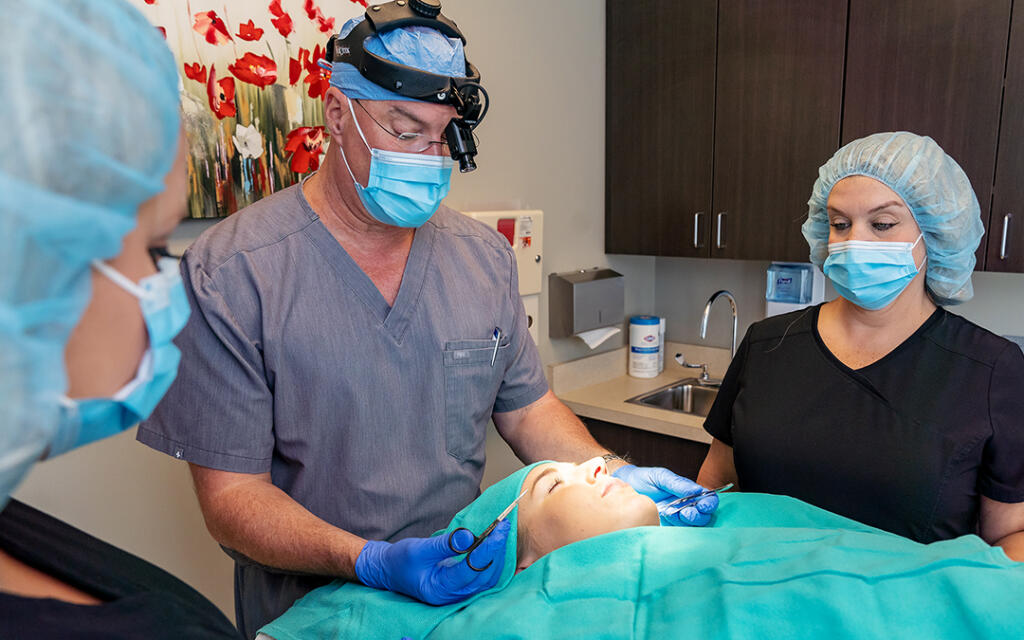
Reconstructive surgery addresses defects of the face or body. These defects may be present from birth or develop after an injury or medical treatment. This surgery aims to restore function and change appearance. A plastic surgeon is a medical professional with specialized training in procedures that reshape body structures, this supports how they look and work. This field of medicine differs from cosmetic surgery, which focuses on enhancing appearance rather than addressing functional concerns.
Repairing Damaged Tissue
When trauma, infection, or disease damages the body’s tissues, a plastic surgeon performs reconstructive procedures to repair them. Surgeons use specialized techniques such as skin grafts or flap surgery to treat these affected areas. In a skin graft, the surgeon transplants healthy skin to a wounded area; in flap surgery, they move tissue along with its own blood supply from one part of the body to another to cover a defect. Surgeons use these methods to treat extensive burns, large wounds, or areas where tissue has been surgically removed.
Restoring Body Shape
Major medical treatments or invasive surgeries may sometimes cause changes in the body’s physical form. Plastic surgeons use various reconstructive techniques to treat these changes and restore body contour and symmetry. Methods used to restore body shape may include:
- Use of prosthetic implants to rebuild affected areas
- Relocation of a patient’s own tissue to reconstruct form
- Integration of restorative procedures into a more extensive long-term treatment plan
- Standalone corrective surgeries focused on physical restoration
Rebuilding After Injury
Facial trauma can result from incidents such as accidents, falls, or physical assaults, leading to injuries that affect both appearance and function. Plastic surgeons perform corrective procedures to treat these injuries. They may repair fractured facial bones, treat soft tissue damage, or revise scars. The objective is to reconstruct facial structures as closely as possible to their pre-injury form while supporting function.
Correcting Birth Differences
Some individuals are born with physical differences, often referred to as congenital anomalies, that can affect health and appearance. Cleft lip and cleft palate are among the most commonly treated conditions. These differences involve openings in the upper lip or the roof of the mouth, and surgical repair is performed to close the gap. Other congenital differences that may be addressed through reconstructive surgery include:
- Cleft lip and palate repair
- Hand and limb differences
- Deviated septum correction
- Head reshaping
Supporting Physical Function
Beyond aesthetic considerations, reconstructive surgery is fundamentally designed to restore or enhance physical function. These procedures focus on repairing structural issues to improve mobility, alleviate discomfort, or resolve physiological impairments caused by injury or medical conditions. By addressing these functional concerns, reconstructive surgery helps patients regain or maintain the bodily capabilities necessary for daily life.
Talk to a Plastic Surgeon
Reconstructive surgery supports a range of procedures that address functional and structural concerns resulting from injury, illness, or birth defects. If you are dealing with an issue that may benefit from reconstructive care, consulting with a qualified medical professional can help clarify available options. Schedule a consultation today.

