

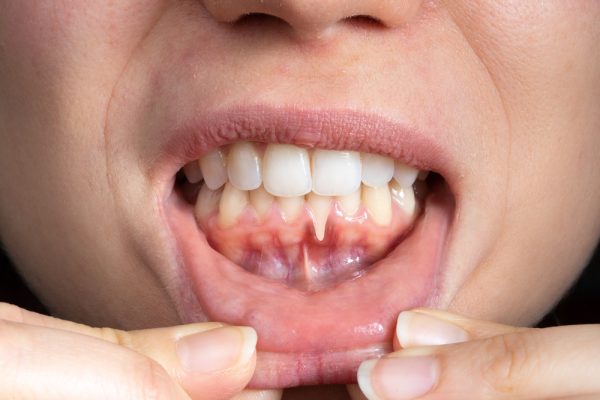
Gum disease is an infection of the tissues that hold your teeth in place, and it’s typically caused by poor brushing and flossing habits that allow plaque to build up on the teeth and harden. When plaque accumulates, it causes inflammation that can lead to more serious oral health issues. Understanding the signs of this condition is the first step toward protecting your smile. Here are some of the differences between gum disease and gingivitis:
Gingivitis Symptoms
Gingivitis is an early and mild form of gum disease. Its symptoms are typically subtle and painless, which is why many people do not realize they have it. You might notice that your gums bleed easily, and this can happen when you brush or floss. Healthy gums do not typically bleed, so this is an initial warning sign.
The primary signs of gingivitis involve changes in the appearance and texture of your gums. Gums might appear red or swollen, and they could feel tender to the touch. These symptoms are a response to the bacteria in plaque that have built up along the gumline. Since the bone and tissue holding the teeth in place are not yet affected, this damage is reversible with proper care.
Gum Disease Symptoms
Advanced gum disease, or periodontitis, presents with noticeable and uncomfortable symptoms. You may experience painful chewing, and new spaces might develop between your teeth. Your teeth may also feel loose, which is a sign that the supporting bone structure is compromised. A change in the way your teeth fit together when you bite down is another indicator of this advanced stage.
Another set of symptoms involves changes to your gums and bite alignment. A dentist may observe that your partial dentures no longer fit correctly, or you might notice a change in your bite. When these changes occur, it is because the loss of bone and tissue affects the overall structure of your mouth. Persistent bad breath or a bad taste in the mouth may indicate an infection deep within the gums.
You may see gums that are pulling away from the teeth, and this may make your teeth appear longer than before. This symptom, which is a clear sign of tissue loss, can be a significant indicator of underlying problems. Pus between your teeth and gums is another symptom of a serious infection that requires professional attention.
Key Differences
Gingivitis is the initial inflammation of the gums, while periodontitis is the advanced stage where damage becomes more severe. Gingivitis does not involve any bone loss, but periodontitis attacks the bone that supports your teeth. Recognizing these distinctions helps you understand the progression of this condition. The main differences are:
- Gingivitis: Inflammation, redness, and bleeding gums. No bone loss.
- Periodontitis: Gum recession, loose teeth, and bone destruction.
Preventive Measures
Good oral hygiene is your primary defense against developing gum disease. To protect your teeth, you should brush your teeth twice a day with fluoride toothpaste. Daily brushing removes the plaque that accumulates on tooth surfaces, and flossing helps clear plaque from between teeth and under the gumline where a toothbrush cannot reach.
Get Treated for Gum Disease
Ignoring the signs of disease allows the condition to progress and cause permanent damage. Gingivitis is reversible with professional treatment and good home care, while periodontitis requires more extensive intervention to manage. If you are experiencing any symptoms of gum disease, it is time to take action for your oral health. Schedule an appointment with your dentist today to get the care you need.

