

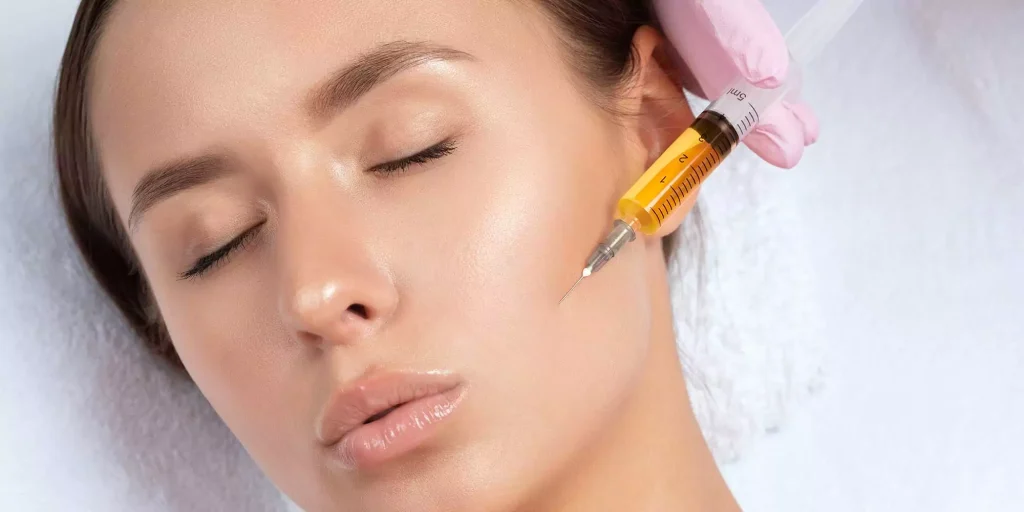
Platelet-rich plasma (PRP) therapy is an aesthetic procedure that uses components from a patient’s own blood to support skin rejuvenation. This approach draws interest from individuals seeking treatments based on biological materials rather than synthetic fillers or surgery. By concentrating elements found within the blood, providers aim to deliver targeted care for common skin concerns, including texture changes, fine lines, acne scarring, and uneven tone.
What is PRP?
PRP is produced by extracting a blood sample from the patient and using centrifugation to separate its components by density. Blood primarily contains plasma, blood cells, and platelets. Platelets are known for their role in blood clotting and also house growth factors, which are involved in healing processes. After separation, the plasma portion that remains is highly concentrated with platelets.
The PRP process starts with a standard blood draw, typically from the arm. The collected blood is placed in a medical centrifuge, and after a few minutes of spinning, the red blood cells and the platelet-rich plasma separate. Clinicians extract this PRP for immediate use in skin treatments. Because the source is the patient’s own blood, the therapy is widely regarded as biocompatible.
How Is It Used?
PRP for skin rejuvenation can be administered in multiple ways, and one of the most common techniques involves using microneedling in combination with PRP. Microneedling employs fine needles to create micro-injuries on the skin’s surface, encouraging natural regenerative responses. Applying PRP to these micro-channels allows deeper penetration, facilitating delivery of the platelets and growth factors to the underlying layers.
Another approach is to inject PRP directly into specified areas. Injections are commonly delivered into lines, wrinkles, or regions with lost volume, which is similar to the method for dermal fillers. Before application, clinicians may prepare the treatment zone with a topical anesthetic to reduce discomfort.
What Are the Benefits?
Many patients are attracted to PRP therapy due to its biocompatibility and its aim to support the skin’s natural processes. Platelets in PRP contain growth factors thought to encourage collagen and elastin production in the deeper skin layers. Collagen gives skin its structure and firmness, while elastin provides elasticity. As aging naturally slows their growth, treatments that target their production can contribute to visible improvements in skin texture, tone, and resilience.
Reported outcomes from PRP therapy include:
- Improved Skin Texture: Smoother and firmer feel to the skin’s surface.
- Reduced Fine Lines: Softer appearance of wrinkles and creases.
- Evened Skin Tone: Diminishment of mild pigmentation irregularities.
Some patients receive a series of sessions, spaced weeks apart, to reach their targeted result. The degree and speed of improvement can vary by individual, depending on skin type, age, and the specific area treated.
Visit a Medical Spa
Before pursuing PRP therapy for skin rejuvenation, schedule a consultation with a qualified provider at a reputable medical spa. A professional will assess your skin’s needs and determine if PRP suits your circumstances; certain medical conditions may mean alternative procedures are recommended. Working with competent clinicians supports an informed experience in seeking healthier-looking skin through PRP therapy.

