

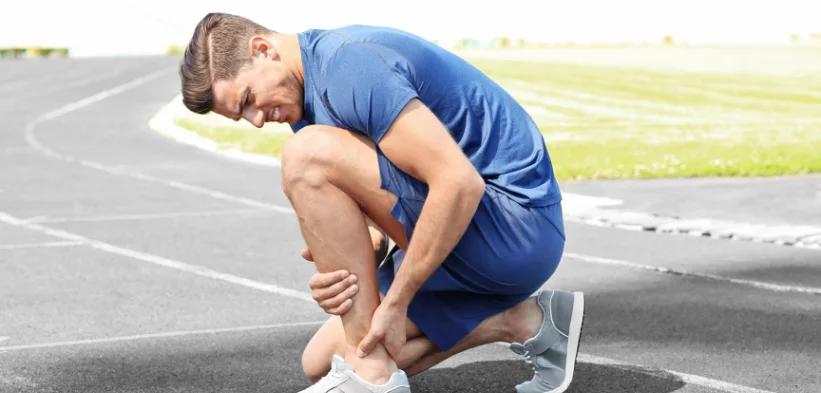
Physical activity can sometimes cause discomfort in the lower extremities, and understanding how to address it can help maintain a consistent routine. Post-exercise soreness often presents as muscle tightness or aches. This type of leg pain typically stems from muscles working harder than they are accustomed to, which is common after a strenuous workout or when beginning a new fitness program. There are several methods you can use at home to help alleviate this discomfort.
Stretch Tight Muscles
After exercise, muscles can become tight and stiff, and gentle stretching may help to relieve this tension. Focus on the major muscle groups in your legs, including the quadriceps, hamstrings, and calves. To address leg pain, hold each stretch for a moment without bouncing, which allows the muscle fibers to lengthen gradually. This practice may be performed immediately after a workout or later in the day when you feel stiffness setting in.
Apply Heat or Ice
Managing post-exercise soreness can be more beneficial with temperature therapy. Some methods to try include:
- Cold therapy: Apply a cold pack to the sore area within the first few days to numb the region and reduce swelling.
- Heat therapy: Use a heating pad or take a warm bath to increase blood flow and relax the muscles.
- Alternating therapies: Switch between heat and cold for relief, but always avoid applying either directly to the skin.
Elevate Tired Legs
Elevating your legs is a simple technique that uses gravity to assist with circulation. To perform this, lie down and prop your legs up above the level of your heart. Using pillows or a wall for support while staying in this position for a period of time makes a difference. This method is often used to reduce swelling and provides relief for fatigued leg muscles after a long run or an intense lower-body workout.
Massage Sore Muscles
Self-massage can help alleviate sore muscles by releasing knots and tightness in the muscle tissue. You can apply gentle pressure to tender spots in your legs using either your hands or a foam roller.
- Hand Massage: Use your hands to apply direct pressure to sore spots.
- Foam Rolling: Slowly roll the foam roller over the length of the muscle, pausing on any particularly sore areas for around half a minute.
Replenish Fluids
Hydration plays a role in muscle rehabilitation and general function, especially after physical activity. Drinking water replaces fluids lost through sweating, which helps support normal muscle contraction and relaxation. Maintaining adequate fluid intake after exercise can reduce the risk of leg pain due to dehydration, though individual needs may vary by activity level and environment.
Take Control of Leg Pain
Managing muscle soreness after exercise involves a few straightforward techniques you can perform at home. Stretching, temperature application, elevation, and massage are all methods that can help address post-workout leg pain. By incorporating these methods into your recovery routine, you can actively manage your discomfort. If you experience chronic or intense pain, consult with a healthcare professional for guidance.

