

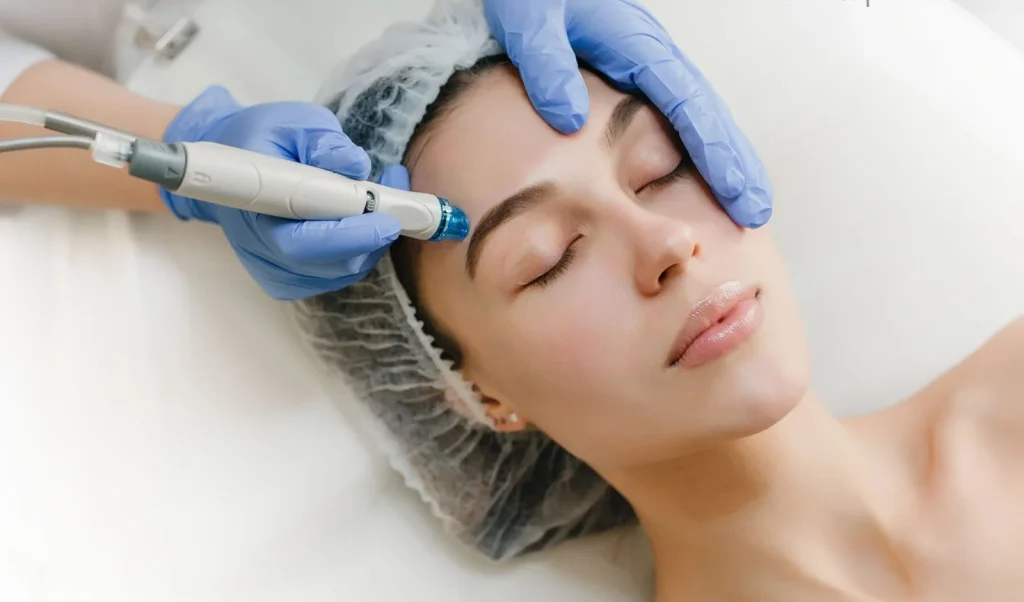
Dermatology focuses on the diagnosis and treatment of conditions affecting skin, hair, and nails. This medical field addresses various concerns, ranging from cosmetic issues to serious diseases, yet people may overlook the internal factors influencing their skin’s appearance. Because skin contains many hormone receptors, fluctuations in these chemical levels often manifest visible changes on the surface. Here is more information on the impact of hormones on your skin:
Causing Acne
Hormonal fluctuations play a significant role in triggering acne. Hormones increase during puberty, menstruation, or periods of stress, leading to an overproduction of oil in the skin. This excess oil, combined with dead skin cells, clogs pores and creates the perfect environment for acne-causing bacteria to thrive. Hormonal acne typically appears on the lower face, jawline, and chin and can be worsened by factors such as stress or changes in birth control.
- Excess oil production
- Clogged pores
- Bacterial overgrowth
- Inflammation and breakouts
Increasing Lines and Wrinkles
As we age, estrogen levels naturally decline in the body, and this drop significantly impacts skin elasticity. Collagen production is impacted by estrogen levels, so the skin loses its firm structure over time. The result is often the formation of fine lines and deeper wrinkles, particularly around the eyes and mouth.
Lower estrogen may reduce the skin’s ability to retain moisture. Dry skin emphasizes the appearance of aging, yet proper hydration helps mitigate some of these effects. When this happens, you might notice your skin feels thinner or more fragile than it did in previous years.
Hormonal changes during menopause accelerate these structural shifts. While genetics plays a role, the hormonal environment dictates much of the aging process. Some individuals observe rapid changes in skin texture during this specific hormonal transition.
Triggering Hyperpigmentation
Hormonal fluctuations may stimulate the overproduction of melanin in certain areas of the skin. This condition, called melasma or hyperpigmentation in the field of dermatology, results in dark patches that appear on the face. Pregnant women often experience this due to elevated estrogen and progesterone, but birth control pills trigger similar reactions in others.
The sun exacerbates these dark spots, so sun protection remains the most effective defense against worsening pigmentation. Even slight exposure stimulates the melanocytes, and the patches darken quickly without a physical barrier like zinc oxide. You need consistent protection to manage this hormonal side effect effectively.
Elevating Cortisol
Events can trigger the release of cortisol, and this hormone increases oil production. Excess oil clogs pores and creates an environment where acne-causing bacteria thrive. While people may associate acne with puberty, stress-induced hormonal acne affects adults of all ages.
High cortisol levels also impair the skin’s barrier function. When the barrier weakens, the skin loses water, and irritants penetrate more easily. This state leads to inflammation, redness, or flare-ups of conditions such as eczema or psoriasis.
Find a Dermatology Clinic
Understanding the hormonal roots of skin issues is the first step toward effective management. A dermatologist examines your skin’s condition, and they recommend treatments tailored to your specific hormonal profile. Professional guidance helps you address the underlying causes rather than just the surface symptoms. If you suspect hormones are affecting your skin health, schedule a consultation with a qualified dermatologist today to discuss your options.

