

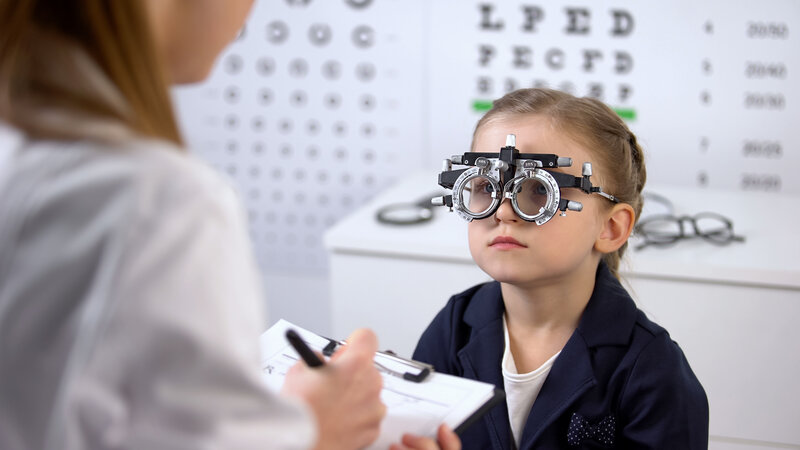
Maintaining good vision is necessary for everyday activities, overall health, and long-term quality of life. Consistent eye care plays a key role in protecting vision, detecting potential issues early, and supporting the overall health of the eyes. Through regular eye examinations, healthy lifestyle habits, and proper visual hygiene, individuals can reduce the risk of common eye conditions and preserve clear sight over time.
1. Schedule Regular Eye Examinations
The first step to protecting your vision is to schedule a yearly eye exam. An optometrist will detect early signs of diseases such as glaucoma or cataracts. They can spot these issues long before you notice any symptoms yourself. Scheduling an annual appointment allows your doctor to track changes in your vision over time. These regular visits are the cornerstone of maintaining your eye health for life.
Your eyes sometimes also show signs of other health problems. For instance, an eye exam can reveal changes in blood vessels. These changes might indicate conditions such as diabetes or high blood pressure. Catching these warning signs early is necessary for effective treatment. Comprehensive eye care includes routine checks and the management of any diagnosed conditions.
2. Protect Your Eyes from Digital Strain
Staring at screens for long hours can cause digital eye strain. This leads to dry eyes, headaches, and blurred vision. To reduce this strain, practice the 20-20-20 rule. Every 20 minutes, look at an object 20 feet away. Hold your gaze for 20 seconds. This simple habit allows your eye muscles to relax. It helps prevent fatigue and keeps you focused.
You can also adjust your screen to lower blue light. Many monitors have a warm color setting for evening use. This is easier on your eyes. Proper lighting in your workspace also reduces glare. Make sure your eyes do not work harder than necessary. Use soft background lighting to minimize harsh screen contrast.
3. Maintain a Vision-Friendly Diet
Your diet plays a key role in maintaining your long-term eye health. Nutrients like omega-3 fatty acids, lutein, and vitamins C and E can help prevent age-related vision problems. Including these in your meals is a simple way to support your eyes. A nutritious diet supports the complex vascular system within your retinas.
To support your vision, add specific foods to your grocery list. Leafy greens like spinach and kale are excellent choices. Fatty fish such as salmon and tuna provide significant amounts of omega-3 fatty acids. Citrus fruits and juices offer high levels of vitamin C. Eating these foods regularly nourishes the blood vessels in your eyes. Also, maintaining a healthy weight lowers the risk of type 2 diabetes, a leading cause of adult blindness.
4. Use Proper Eye Protection
Protecting your eyes from physical harm is as significant as a healthy diet. The sun’s UV rays can lead to cataracts and macular degeneration. Always wear sunglasses that block 100% of UV radiation outdoors. This shields your eyes from invisible damage. Your eyewear is also necessary for certain activities. Wear safety glasses when using machinery, playing sports, or handling chemicals.
Finding the right protective gear is key to your safety. Your optometrist will help you choose the best eyewear for your lifestyle. For instance, specialized goggles can block wind and dust during outdoor sports. Getting the right fit makes sure your eyes are fully protected. Professional advice helps you enjoy your hobbies without risking your sight.
Schedule Your Eye Care Appointment
Protecting your sight requires consistent effort and guidance from skilled medical professionals. Following these fundamental habits helps you drastically reduce your risk of developing severe ocular issues. But routine checkups are the most effective way to monitor your ocular health. Reach out to an expert today to schedule your next eye care appointment. Professional eye health care providers possess the tools and knowledge to catch problems early and track minor changes before they become major visual impairments.

