

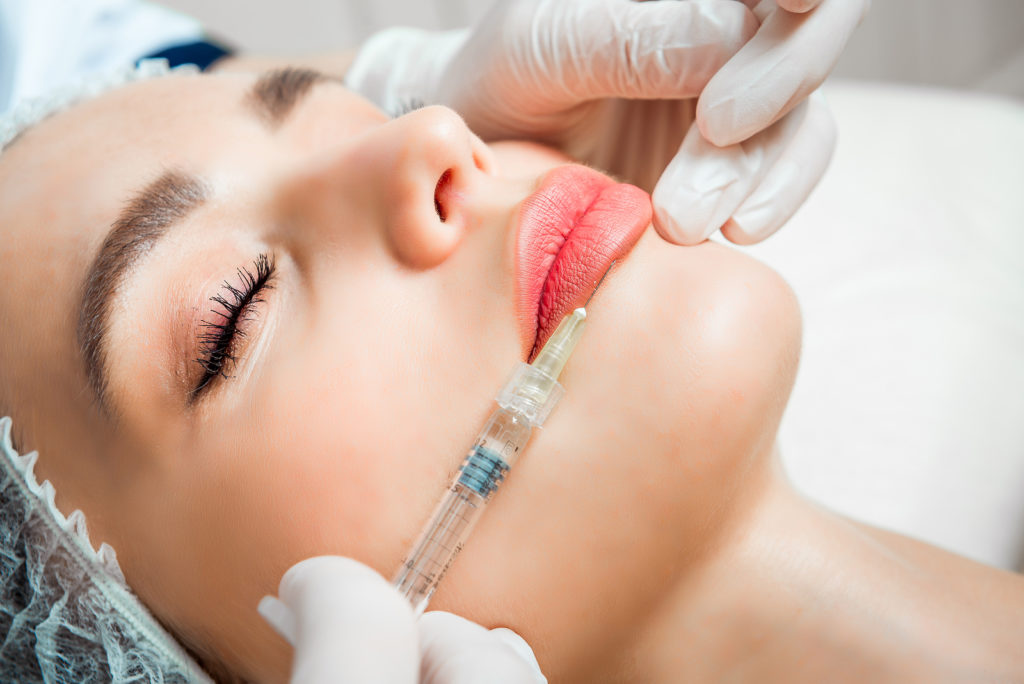
Botox is a neuromodulator derived from botulinum toxin type A, widely used in medical settings to help manage specific health conditions. Many people recognize Botox for its cosmetic applications, but it is also prescribed by healthcare providers to address chronic migraine, muscle spasticity, and eye twitching, among other conditions. The injection process involves administering a series of small doses into targeted muscles to manage symptoms and improve daily functioning. Understanding each step of the Botox injection process can help you be prepared before your appointment.
Preparation and Injection
Your appointment begins with a discussion of your medical symptoms, diagnosis, and treatment goals; your healthcare provider reviews your medical history to determine if Botox is an appropriate option for your specific condition. Once your provider identifies the treatment plan, they will cleanse the target injection sites. These may include the head, neck, or limbs, depending on your medical needs. Doctors recommend this cleansing step to reduce the risk of infection and maintain a sterile environment for the procedure.
Your provider may mark the injection sites with a washable marker to be precise. In some cases, a topical numbing cream or ice may be applied to minimize discomfort, though this step is not always necessary. The provider then uses a fine needle to inject small amounts into the targeted muscles or glands. Injections for chronic migraine may be targeted to muscles around the head and neck, but those for other conditions are directed to the areas most affected by your symptoms. The number and location of injections depend on your diagnosis, treatment goals, and the areas needing relief.
Duration and Sensation
A key advantage of medical Botox is that the injection process is typically brief and simple, no matter the condition. The needle used is fine, and most people experience only minimal discomfort during the procedure. Patients often describe the sensation as a quick pinch or mild stinging, which fades quickly after the injection.
You remain awake and alert throughout the entire procedure, so you can communicate with your provider at any time if you experience discomfort. There is generally no need for anesthesia or sedation. This means you are typically able to return to your usual activities soon after the injection. The provider works with care to deliver the product accurately. You may notice small red bumps or mild swelling after the injection, but these effects often subside quickly.
Aftercare and Results
Proper aftercare is recommended to help Botox work as intended for medical conditions. Your healthcare provider will give you specific instructions to follow for the first 24 hours; typically, you should avoid rubbing or massaging the treated areas, as this can cause the product to spread to nearby muscles. You may also be advised to remain upright for at least four hours after the procedure and to avoid strenuous activity for the remainder of the day.
Results are not immediate, so be patient during the first week after treatment. Depending on the condition being managed, you may notice symptom relief within several days. The full benefits often appear after one to two weeks. Targeted muscles or glands gradually respond to the injection, and functional improvements develop over time. The effects of medical Botox treatment typically last between three and four months. After that, symptoms may gradually return, and repeat treatment may be administered.
Ask About Botox Injections Today
Making informed decisions about medical treatments is advisable, especially when managing chronic health conditions. Your provider can review your medical history, and they can answer questions about the procedure and help set realistic expectations based on your individual needs. It is helpful to discuss the benefits, potential side effects, and the aftercare instructions specific to your diagnosis. If you think Botox may help you, make an appointment with a medical professional today to discuss this treatment option.

