

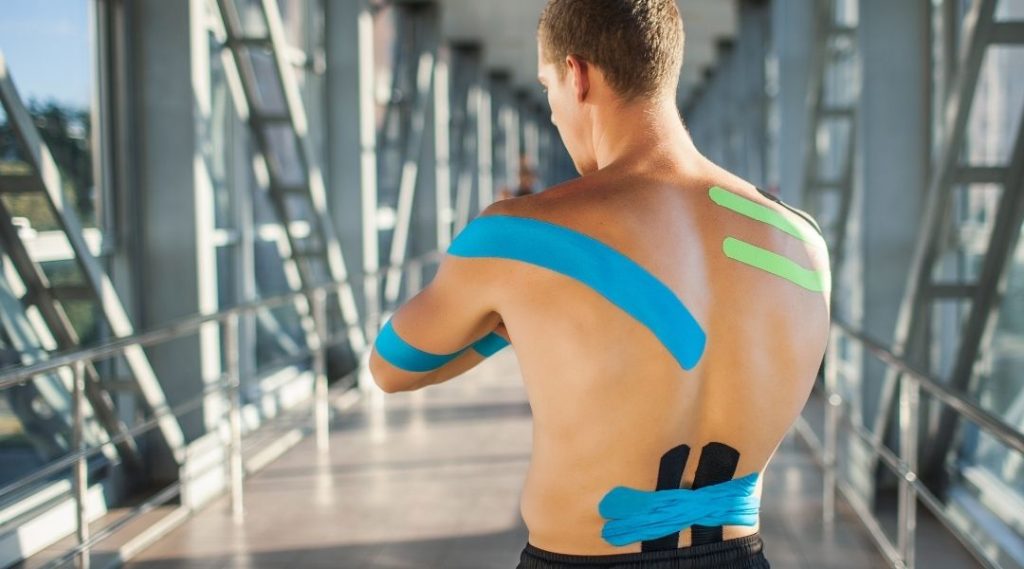
Engaging in physical activity is beneficial for health, but it sometimes leads to sports injuries. These injuries may occur during exercise or while participating in a sport and can range from minor to severe. Understanding how to address these injuries is significant for a safe and effective recovery. Proper treatment helps you return to your favorite activities without further complications.
Common Sports Injuries
Injuries often affect the musculoskeletal system, which includes muscles, bones, and connective tissues. Athletes can experience a wide range of sports injuries, yet some are more frequent than others. Acute injuries often result from sudden impacts or awkward movements during competition or training. Overuse injuries develop gradually when certain body parts are repeatedly stressed without adequate recovery.
- Sprains: These happen when ligaments, the tough bands connecting bones at a joint, are stretched or torn. Ankle sprains are particularly common.
- Strains: Often called pulled muscles, strains result from overstretching or tearing a muscle or tendon. Hamstring and back strains are frequent occurrences.
- Knee Injuries: The knee is a complex joint, so it is susceptible to various injuries, including runner’s knee and tendon tears.
- Fractures: A broken bone resulting from a direct impact or gradual stress.
- Dislocations: This injury occurs when a bone is forced out of its joint socket. Shoulders and fingers are common sites for dislocations.
At-Home and Professional Treatments
Managing a sports injury typically begins with immediate self-care, but professional medical advice remains recommended for proper diagnosis and treatment planning. The RICE method, Rest, Ice, Compression, and Elevation, is a standard first-aid response for many minor injuries. Directly after an injury, it is helpful to rest and avoid activities that may aggravate pain or further strain the area. Applying a cold pack to the injured site for 15 to 20 minutes several times a day reduces swelling, while gentle compression with an elastic bandage may also limit swelling and provide support. Keeping the injured limb raised above your heart level further helps minimize swelling.
Although these at-home strategies can be useful, keep in mind that many injuries require professional evaluation. A doctor can assess the severity of the injury and create an appropriate treatment plan tailored to your needs. Treatment options might include physical therapy to restore movement and strength, medication to help manage pain, and, in some cases, surgery may be recommended if there is significant damage. If rehabilitation is needed, a physical therapist can guide you through specific exercises and make the recovery process as safe and effective as possible.
Injury Prevention
Taking preventive measures can significantly reduce your risk of getting hurt, and proper technique and preparation are fundamental to staying safe while active. Focusing on correct form during exercises helps protect your joints and muscles from unnecessary stress. Planning your activities in advance and confirming you are physically ready can further limit the likelihood of injury.
- Warm-Up and Cool-Down: Start with a warm-up to prepare your muscles for activity, and finish with a cool-down to help them recover.
- Use Proper Equipment: Wear appropriate protective gear for your sport, including helmets, pads, and proper footwear.
- Know Your Limits: Gradually increase the intensity and duration of your workouts to avoid overexertion.
- Incorporate Strength Training: Strong muscles provide better joint support, helping prevent injuries.
- Allow for Rest: Your body needs time to recover between workouts, so schedule regular rest days.
Ask a Doctor Today
If you experience an injury, seeking a professional opinion is a critical step. A doctor can give you an accurate diagnosis, and they can also suggest the best treatment plan tailored to your specific needs. They can answer your questions and address any concerns you may have about your recovery process. Managing an injury correctly from the start supports a better long-term outcome and helps you return to your activities.

