

An annual physical exam gives you a chance to check in on your overall health. This yearly visit allows a doctor to review your medical history and assess how your body is functioning currently. Many people use this appointment to discuss ongoing concerns or new symptoms they have noticed recently. The process typically involves a mix of conversations, physical examinations, and specific health screenings.
Which Screenings Are Performed?
Screenings help medical professionals detect potential issues early. Your doctor will likely start by checking your vital signs to establish a baseline for your health. This initial step provides immediate data about your body’s basic functions.
The specific screenings often include:
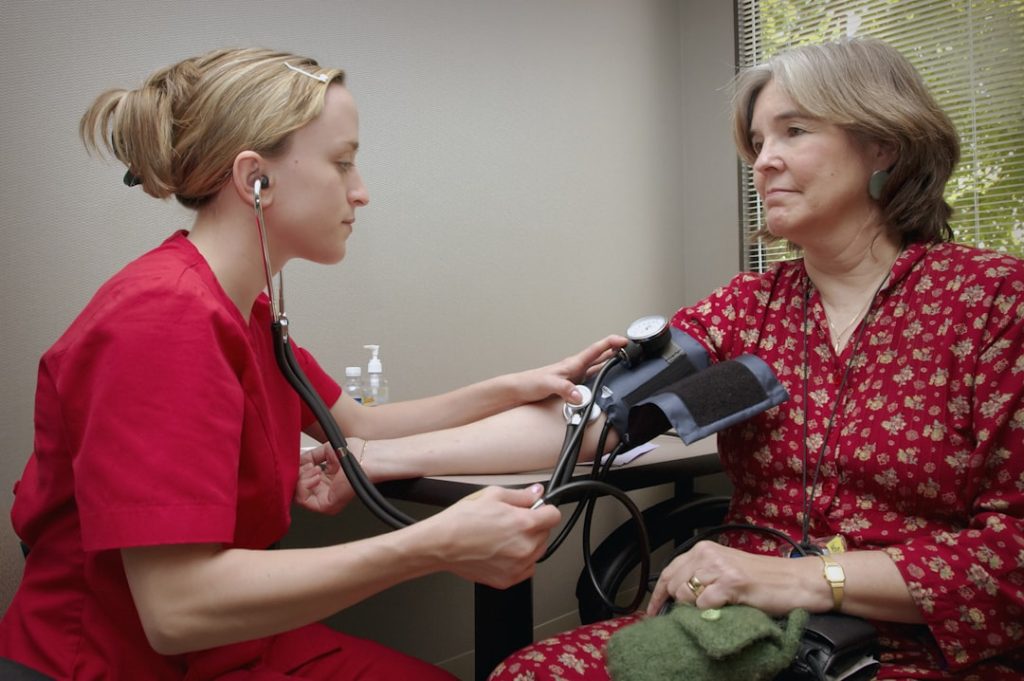
- Blood Pressure Check: A cuff measures the pressure in your arteries as your heart pumps. High readings can indicate strain on your heart or blood vessels.
- Heart Rate Measurement: The provider counts the number of times your heart beats per minute. An irregular rate might suggest an arrhythmia or other cardiac condition.
- Respiratory Rate Assessment: The doctor observes your breathing to count breaths per minute. This check helps identify lung or breathing difficulties.
- Temperature Check: A thermometer measures your body temperature to rule out fever or infection. Consistent body temperature is a sign of normal metabolic function.
These standard checks provide a snapshot of your current status. If any numbers fall outside the typical range, the physician may investigate further. Staying aware of these metrics empowers you to track changes over time.
What Tests Are Ordered?
In addition to the physical exam, your doctor may order laboratory tests to get a better look at what’s happening inside your body. These tests measure substances in your blood or urine that a physical exam can’t detect, offering a deeper understanding of your internal health.
Commonly ordered tests include:
- Complete Blood Count (CBC): This test checks the levels of different types of blood cells, which can help detect infections, anemia, and other conditions.
- Chemistry Panel: This measures various chemicals in your blood, like electrolytes and glucose, to assess your organ function and metabolism.
- Urinalysis: A urine sample is analyzed to check for signs of kidney problems, urinary tract infections, or diabetes.
- Lipid Panel: This test measures cholesterol and triglycerides in your blood to evaluate your risk for heart disease.
- Thyroid Function Tests: These check how well your thyroid gland is working, which is key for regulating your metabolism.
You can usually provide samples for these tests during your visit or at a separate lab appointment. Your doctor will review the results, which typically come back within a few days, and will follow up with you to explain the findings and discuss any next steps.
Why Should Physicals Be Prioritized?
Regular visits establish a long-term relationship with your primary care provider. This history helps the medical team notice subtle changes in your condition that might otherwise go unnoticed. Catching a problem early often makes management more straightforward and less invasive.
Preventive care focuses on stopping illness before it starts. Vaccinations and lifestyle counseling are key components of this proactive approach. Your provider can offer guidance on diet, exercise, and stress management tailored to your specific needs.
Visit Your Doctor
Taking time for your health is a positive step toward a balanced life. Schedule an appointment with your doctor to review your medical needs and ask questions about your well-being. This partnership supports your goals and helps you stay on top of your physical condition. Contact your local clinic today to book your next annual exam.

