

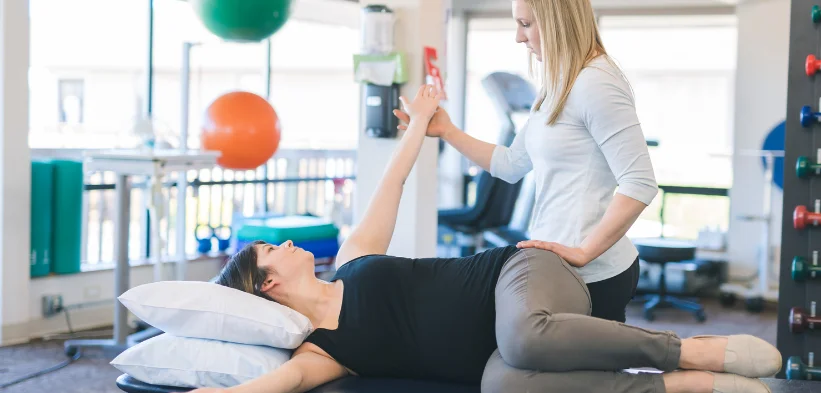
Sports medicine is a specialized branch that focuses on the treatment and prevention of injuries related to sports and exercise. This field is not just for professional athletes; it serves anyone who maintains an active lifestyle. A sports injury refers to bodily harm that occurs during athletic activities. These injuries can range from minor sprains to more significant conditions affecting bones, muscles, and connective tissues. Here’s more information on sports medicine and how treatment plans are fundamental for injury rehabilitation:
How Are Sports Injuries Treated?
The treatment for a sports injury depends on its type and severity, but your care plan will be tailored to your individual needs. A sports medicine specialist will conduct a thorough evaluation, which may include physical examination and imaging tests like X-rays or MRIs. This allows them to accurately assess and diagnose your condition. Initial treatment for many acute injuries often follows the RICE protocol: rest, ice, compression, and elevation.
Some common treatment options include:
- Physical Therapy: To improve flexibility and build strength in the injured limb.
- Medication Management: To manage pain and inflammation.
- Orthopedic Devices: To support the injured area with devices like braces and splints.
For more severe injuries, like complete ligament tears or complex fractures, surgical intervention may be necessary to restore stability and function.
What Are Some Sports Injuries?
Injuries sustained during physical activity can be categorized in several ways, but they are often grouped by how they occur and how long they last. Understanding these classifications can help you identify the nature of an injury and determine if it needs medical treatment. By recognizing the signs of an injury early, you can get timely treatment to help prevent further tissue damage.
Overuse Injuries
Overuse injuries develop from repetitive stress on a specific part of the body that isn’t given adequate time for recovery. These injuries are common in activities involving repeated motion, such as running, swimming, or throwing, causing issues like:
- Tennis Elbow
- Shin Splints
- Certain Types of Stress Fractures
The gradual onset of pain and dysfunction characterizes these conditions, and some common indicators of overuse include persistent pain that worsens with activity and subsides with rest. Swelling, tenderness, or stiffness in the affected area may also occur, along with a decrease in performance or range of motion over time. You may notice that the pain often starts as a minor ache but gradually escalates if the activity causing it continues without proper intervention.
Acute and Chronic Conditions
Acute injuries happen suddenly, like a sprained ankle from a fall or a torn ligament during a game. These events are often traumatic and result in immediate pain, swelling, and loss of function. Chronic conditions develop slowly and can last a long time; they may worsen if not properly managed. An acute injury can become chronic if it does not heal correctly or if you return to activity too soon. If your symptoms persist or worsen, it’s imperative to consult a healthcare professional for a thorough assessment.
How Does Sports Medicine Focus on Rehabilitation?
Rehabilitation is a key component of sports medicine, designed to guide you back to physical activity safely. A sports medicine rehabilitation program is a structured, progressive plan that aims to restore strength, flexibility, endurance, and sport-specific skills. Your rehabilitation begins after the initial injury is stabilized, and it progresses through several phases. Early treatment stages focus on managing pain and swelling while gently restoring your range of motion.
As healing progresses, the focus shifts to rebuilding muscle strength and endurance around the injured area. The final phase involves functional, sport-specific exercises that prepare the individual for a safe return to their activities, and this process helps reduce the risk of re-injury. Rehabilitation care plans focus on your condition and use follow-up appointments to assess and adjust your plan as needed.
Contact an Expert Today
Navigating recovery from a sports injury requires specialized knowledge and guidance. A professional can provide a comprehensive evaluation and develop a personalized treatment and rehabilitation plan. If you have an injury, contact a specialist for a consultation, as they can determine which treatments are most effective.

