

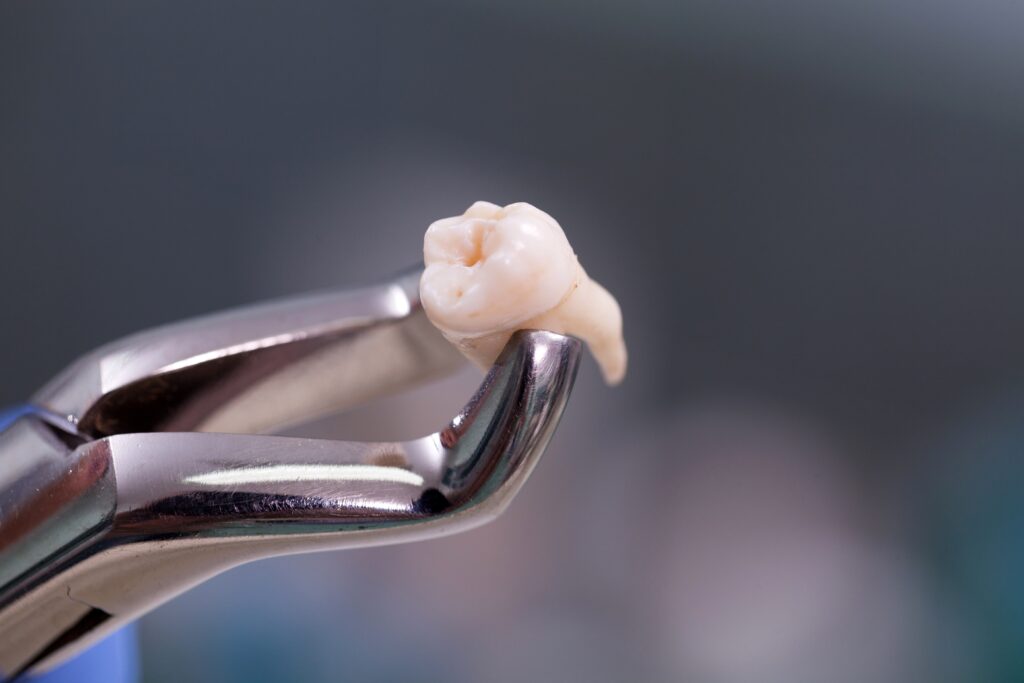
A tooth extraction is a dental procedure that involves removing a tooth from its socket in the jawbone. While dentists aim to preserve natural teeth whenever possible, various circumstances can make removal the most suitable option. Understanding the reasons for this procedure can help prepare for the process.
Severe Tooth Decay
When a cavity penetrates deep into the tooth, it can reach the pulp at the center, which contains nerves and blood vessels. This can lead to a severe infection. While root canal therapy can often save the tooth in such cases, the decay may be too extensive for the tooth to be repaired, so a tooth extraction becomes the course of action. Following removal, your dentist discusses replacement options, such as dental implants or bridges, to restore function.
Advanced Gum Disease
Periodontal, or gum, disease is an infection of the tissues and bones that support the teeth. In a progressed stage, known as periodontitis, the supporting bone can be severely damaged. This damage can cause teeth to loosen, and if the condition progresses, one or more teeth may need to be removed to prevent further harm to the surrounding oral structures. Proper oral hygiene and regular dental visits are beneficial to preventing gum disease from reaching this stage.
Impacted Wisdom Teeth
Wisdom teeth, or third molars, are the last to emerge, typically in the late teens or early twenties. When there isn’t enough space in the jaw for them to erupt properly, they can become impacted. An impacted tooth may lead to several issues, including:
- Pain
- Infection
- Damage to adjacent teeth
- Growing in at an angle
- Remaining trapped in the jawbone
- Only partially breaking through the gum
In these situations, a dental professional may recommend their removal to prevent more complications.
Overcrowded Teeth
To address overcrowding and prepare for orthodontic treatment, a dentist may recommend tooth removal. Here’s why this is done:
- Creates space in the mouth: Removing certain teeth allows the remaining teeth to align properly.
- Improves bite function: Proper alignment enhances how the teeth work together when biting and chewing.
- Carefully evaluated decision: Tooth removal is only recommended after a thorough assessment of the patient’s dental structure.
Dental Trauma or Damage
A tooth can suffer serious damage from an accident, a fall, or other forms of trauma. In some cases, a severe fracture may extend below the gum line, making it more difficult to repair with a crown or filling. When this happens, removing the fractured tooth is often the best way to prevent infection and other complications.
Your dentist will thoroughly evaluate the extent of the damage to determine the right treatment plan. They will review all options to provide the best outcome for your oral health. If extraction is necessary, they will guide you through the process and recommend steps for recovery and future care.
Schedule Your Tooth Extraction Consultation
Several conditions may cause the need for a tooth extraction, ranging from extensive decay to physical trauma. If you are experiencing dental pain or have been advised that you may need a tooth removed, it is helpful to understand the underlying reason. Discussing your specific situation with a dentist can give clarity on the procedure and subsequent care. To learn more about your options, schedule a consultation to discuss a potential tooth extraction.

