
Earlobe repair is a procedure that addresses damage from tears or stretching, and it can be performed using several methods. Heavy earrings, accidents, or body modification can alter the shape and integrity of the earlobes over time. When the skin and tissue become stretched or split, various techniques are available to address the area. Here is more information about this service and its potential benefits:
Dermal Fillers
For stretched or thinning earlobes, dermal fillers are a non-surgical option. This procedure involves injecting a substance, typically hyaluronic acid-based, directly into the earlobe. The filler adds volume to the tissue, which aims to create a plumper, more youthful appearance. The results of dermal fillers are temporary; they typically last from several months to over a year.
Here are some potential benefits:
- Non-invasive and requires no surgery.
- Quick procedure with minimal downtime.
- Provides immediate results with enhanced earlobe volume.
- Temporary and reversible, allowing adjustments if needed.
Scarred Tissue Removal
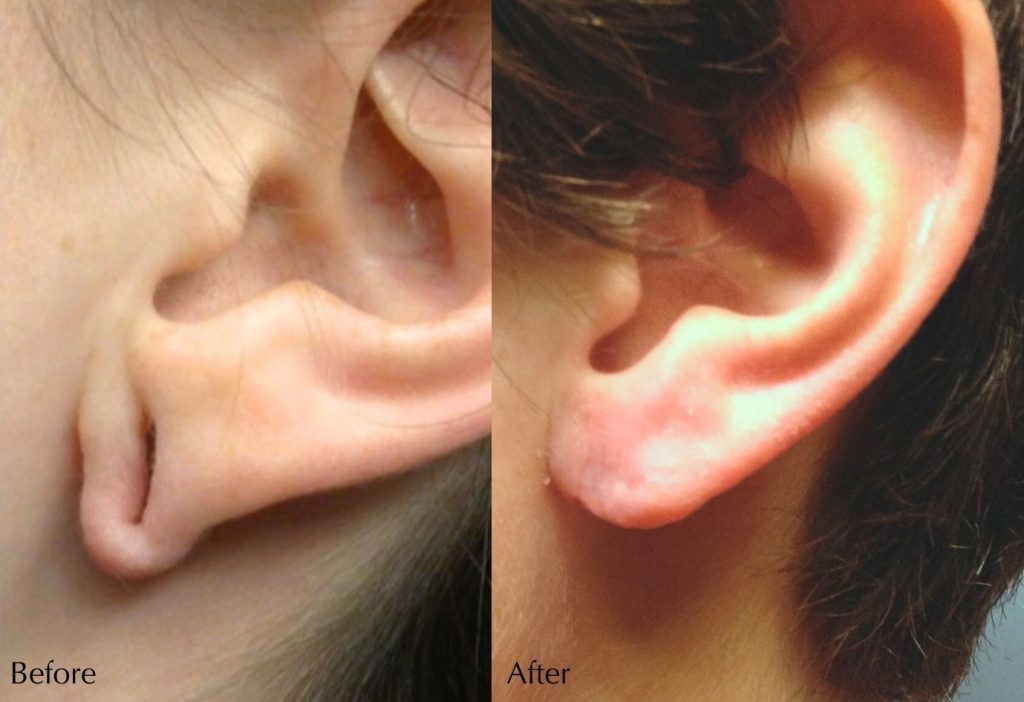
Removing scarred tissue is a method that is helpful for earlobe repair. To do this, a surgeon makes an incision to remove the damaged skin lining the tear, then they suture the fresh edges together. This technique creates a new, smoother surface as the earlobe heals, and a specialist typically removes the stitches within weeks.
Closed Holes
Closing stretched earring holes is a standard procedure for individuals who no longer wear large gauges. The process involves removing the excess, stretched skin that surrounds the opening. The surgeon then meticulously stitches the front and back of the earlobe together, which closes the hole. This method reconstructs the natural contour of the lobe.
After the procedure, you will receive specific instructions for care. Following these steps helps the healing process. Post-procedure care often includes:
- Keeping the area clean and dry.
- Applying a prescribed ointment.
- Avoiding pressure on the earlobes.
A dermatologist may re-pierce the earlobe several months after the initial procedure, once healing is complete. This new piercing is placed near the original scar but not directly on it. This placement reduces the risk of the hole stretching or tearing again in the future.
Reconstructed Earlobe
Earlobe reconstruction is a more detailed procedure for severely stretched or torn lobes, sometimes called a “split earlobe repair.” The surgeon uses specialized techniques to reshape the lobe completely. This may involve creating a flap of skin to rebuild the earlobe’s rounded bottom edge. The goal is to restore a natural-looking earlobe shape.
This procedure requires precise surgical skill, and the surgeon carefully plans the incisions to minimize visible scarring. Different suture methods are used to bring the tissue together neatly, which supports proper healing and a refined final appearance. Recovery involves following specific aftercare instructions to help the healing tissue.
Schedule Earlobe Repair Today
Addressing torn or stretched earlobes involves several procedural options. From injectable fillers to surgical reconstruction, each method is designed to address different levels of damage. You can explore these choices with a qualified provider to find a suitable approach. If you are interested in learning more about earlobe repair, schedule a consultation with a dermatology clinic to discuss your specific situation.