

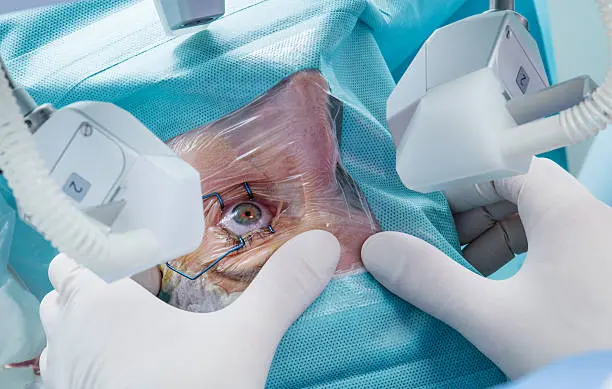
Eye surgeons dedicate their careers to the preservation and restoration of vision, and they constantly adapt to new technologies. Ophthalmologists address a wide range of conditions, from cataracts to glaucoma, and they use precision instruments. As technology evolves, surgeons incorporate less invasive methods into their practice. Here is more information on innovations in eye surgery techniques:
Trabeculectomy Surgery
A trabeculectomy creates a new pathway for fluid drainage to lower eye pressure. The surgeon makes a small flap in the eye, and a tiny bubble called a filtration bleb forms. Fluid drains out of the eye into this bleb, while the body absorbs it. This surgical intervention targets cases where drops or laser treatments fail to control pressure adequately.
Post-operative care requires frequent visits to monitor the bleb’s function. Scarring can close the new opening, so doctors often use anti-scarring medication during the procedure. If the eye heals too quickly, the pressure might rise again. Successful management depends heavily on how the eye responds to the healing process.
MIGS Procedure
Minimally invasive glaucoma surgery (MIGS) represents a significant shift in how doctors approach eye care. Eye surgeons use microscopic equipment to make tiny incisions, and these small openings often heal faster than traditional cuts. Because the incisions are so small, the structural integrity of the eye remains largely intact.
This group of procedures utilizes the eye’s natural drainage system. A surgeon inserts a device or uses a specialized tool to bypass blockages, which may lower intraocular pressure. While the goal is pressure reduction, the method differs greatly from older surgeries. The recovery time associated with MIGS is generally shorter for most patients.
Patients may experience less discomfort post-operatively with MIGS compared to other methods. The surgeon visualizes the angle of the eye using a gonioscope, and this view allows for the precise placement of stents or incisions. While traditional surgery creates a new drainage path, MIGS enhances the existing one. This approach prioritizes safety while addressing the underlying pressure issues.
Glaucoma Laser Surgery
Laser trabeculoplasty uses focused light energy to treat the drainage angle of the eye. The laser stimulates the biological structure of the drain, and this stimulation improves the outflow of fluid. It serves as an initial option for many patients before they need incisional surgery. In many cases, this procedure happens in an office setting rather than an operating room.
Stent Procedures
Surgeons implant microscopic tubes into the eye to facilitate fluid drainage. These stents are among the smallest medical devices implanted in the human body, and they bypass the trabecular meshwork. For fluid to exit the anterior chamber, the device creates a permanent opening.
Characteristics of these stents include:
- Biocompatible titanium
- Designed to be MRI safe
The implantation process requires steady hands and high-magnification visualization. Once the surgeon places the stent, it starts working immediately to redirect aqueous humor. This mechanical solution offers a consistent method for pressure regulation.
Find Eye Surgeons Near You
Regular consultations with an eye surgeon provide the best opportunity for early detection of eye conditions. A doctor evaluates the health of your eyes, and they determine which surgical or non-surgical intervention fits your needs. You can receive a personalized care plan based on diagnostic testing. Schedule an appointment with a qualified eye surgeon today to discuss your vision care needs.