

Transcranial Magnetic Stimulation (TMS) is a field experiencing ongoing development. Since new approaches are being explored for this treatment, book an appointment to discuss them. These explorations aim to refine the process, and they could change how TMS is administered in the future.
Advancing Treatment Protocols
New protocols for TMS are under investigation. Some studies explore shorter treatment sessions, and others examine whether increasing the number of weekly sessions alters outcomes. These protocols might change session frequency and, if effective, offer more flexible options. There is growing interest in optimizing the frequency and intensity of each TMS session. Standard sessions last weeks, but some approaches reduce that time for certain cases. Because studies test accelerated TMS protocols, they determine whether similar or better outcomes can be achieved. Researchers also evaluate how these changes affect comfort, effectiveness, and experience to keep the approach supportive and manageable.
Researchers are studying different magnetic pulse circuits, which influence how the treatment is delivered. Some innovations use burst patterns or alternate frequencies to make the process more efficient. Clinical teams work with individuals during trials, and they monitor how these changes affect well-being, tolerance, and outcomes. These advancements focus on refining existing methods for better application. Each adjustment is carefully reviewed, checking that its benefits and effects are understood across various settings. Through these efforts, TMS continues to evolve, and you might notice more options or discussions about protocol choices during your care planning.
Targeting and Personalizing Improvements
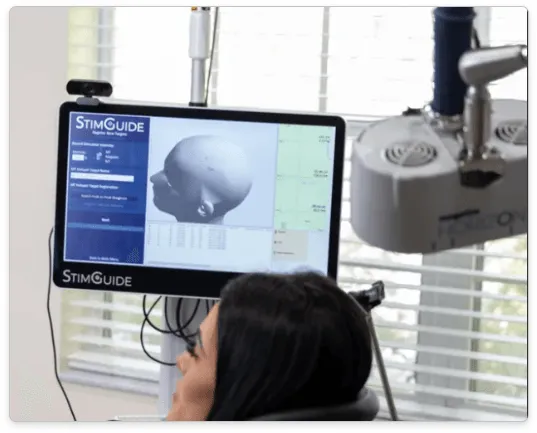
Technology is making TMS more precise through several noteworthy advances. New imaging techniques, such as MRI, now map brain circuits in greater detail than before. With these tools, doctors identify specific regions in the brain that benefit from stimulation. They use this information to better target and plan treatments for each individual’s needs. Personalization in TMS now includes adjusting coil placement, using imaging data, and tracking brain activity. For some users, the part of the brain targeted varies depending on symptoms, history, and goals. This approach aligns treatment more closely with your specific needs, and it helps practitioners adapt. Research has led to software that helps clinicians analyze brain images and plan stimulation sites with more accuracy.
Exploring New TMS Applications
Researchers explore new uses for TMS across health concerns, and they seek its potential beyond its current main indications. Studies are underway for various neurological and psychiatric conditions, including schizophrenia. By investigating different ways TMS can be applied, scientists hope to learn how this technology can support more people. Some research teams are testing protocols that target different parts of the brain, depending on the symptom or condition they are studying. Researchers sometimes direct stimulation to areas linked to pain processing. These investigations examine how TMS may be applied elsewhere, and while this research is in its early stages, it expands our understanding and lays the groundwork for future care approaches.
Make an Appointment Today
TMS technology continues to advance. These innovations demonstrate a commitment to refining the treatment; speak with a healthcare provider to learn more. Because they provide details relevant to your situation, they can help you understand these developments.

