

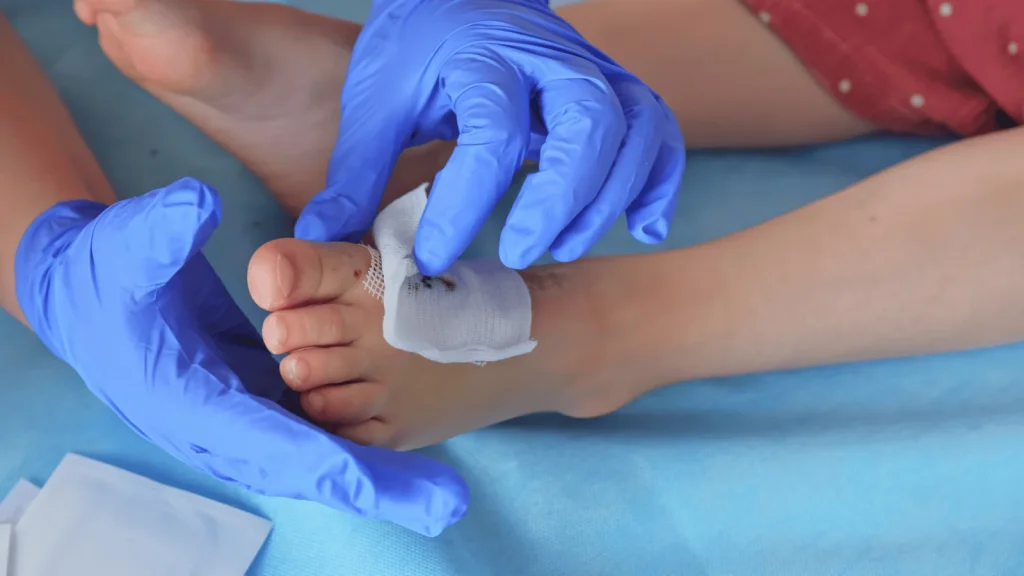
The skin serves as the body’s primary barrier against external threats and protects internal systems from bacteria, viruses, and other pathogens. When this barrier breaks due to injury or surgery, the body initiates a complex biological process to repair the damage. Effective management of this healing process plays a significant role in determining the outcome. Proper wound care to the injured site minimizes the risk of complications, particularly infection, which can delay recovery and lead to more severe health issues.
What Is Wound Care?
Wound care refers to the comprehensive management of injuries to the skin and underlying tissues. This practice encompasses a wide range of activities designed to support the body’s natural healing processes while protecting the site from external contaminants. It applies to various types of injuries, including surgical incisions, traumatic lacerations, and chronic ulcers related to conditions like diabetes or vascular disease.
The primary objective remains to create an environment conducive to tissue regeneration. Without appropriate intervention, wounds may remain vulnerable to colonization by harmful bacteria. When bacteria multiply to levels the immune system cannot control, infection sets in. This triggers inflammation, pain, and potentially systemic illness, so the management of the wound directly influences the likelihood of infection.
What Does It Involve?
Managing a wound requires a systematic approach tailored to the specific type and severity of the injury. The process typically begins with thorough cleansing. Removing debris, dead tissue, and foreign objects reduces the bacterial load immediately. A mild cleanser and water serve as common cleansing agents, avoiding harsh chemicals that might damage healthy cells. Following cleansing, debridement may be necessary. This medical procedure removes tissue that impairs healing. Dead tissue acts as a breeding ground for bacteria, so its removal allows healthy tissue to grow.
Dressing selection represents another major component. The choice of bandage or covering depends on the wound’s moisture level, depth, and location. Some dressings absorb excess fluid, while others donate moisture to dry wounds. Monitoring progress is part of the ongoing management strategy. Observing the site for signs of redness, swelling, increased pain, or unusual discharge allows for early detection of complications. Regular dressing changes keep the site clean and accessible, allowing for frequent assessment.
What Helps Facilitate Healing?
Several factors contribute to the speed and quality of wound repair. Nutrition plays a significant role. The body requires increased energy and specific nutrients to build new tissue, which can include protein and vitamin C. Circulation affects healing profoundly. Blood carries oxygen and immune cells to the injury. Conditions that impair blood flow, such as peripheral artery disease or venous insufficiency, can significantly slow the process.
Management of underlying health conditions supports the healing process. For individuals with diabetes, maintaining stable blood glucose levels prevents the stiffening of blood vessels and supports immune function. Smoking cessation is also beneficial, as nicotine can constrict blood vessels and reduce the amount of oxygen reaching tissues.
Consult a Vascular Specialist
Persistent or non-healing wounds often signal underlying circulatory issues that require specialized attention. If a wound fails to show signs of improvement after a few weeks or if signs of infection appear, seeking professional medical advice becomes necessary. A vascular specialist can evaluate blood flow to the affected area and determine if arterial or venous disease is hindering the recovery process. Specialists possess advanced tools and therapies not available in standard home care. Early intervention by a specialist can preserve tissue health and improve overall outcomes.

