

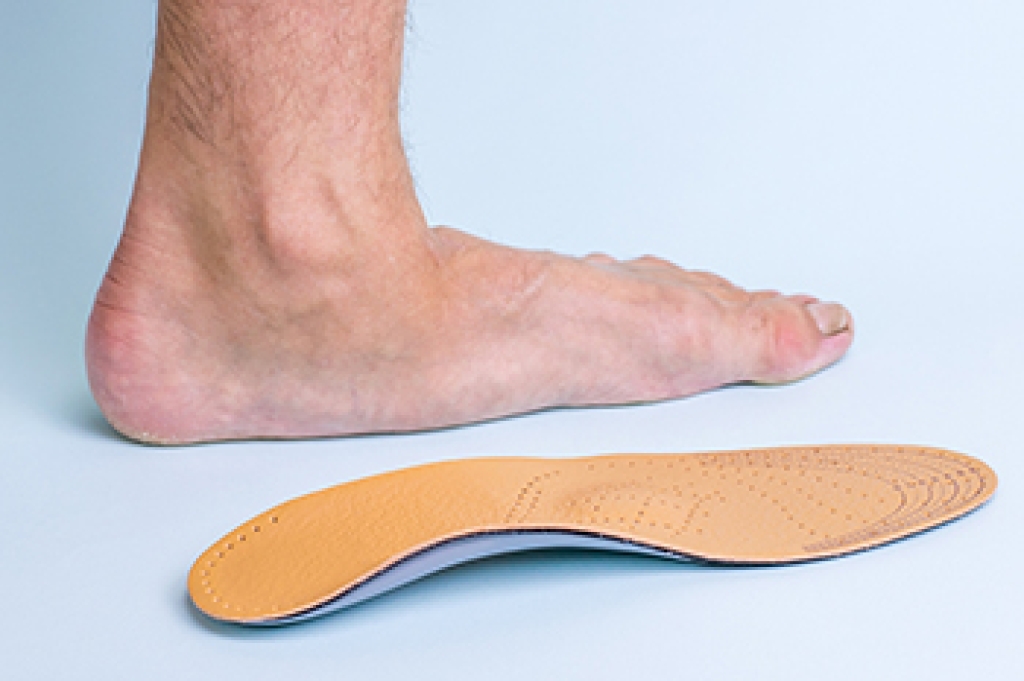
Flat feet are a condition where the arches on the inside of the feet are flattened, and this can cause the entire sole to touch the floor when standing. This condition, also known as pes planus, is common and often painless. For some individuals, it can lead to discomfort in the feet, ankles, and lower legs. You can effectively manage the symptoms of flat feet and improve overall foot function through various methods.
Key Roles of Orthotics for Flat Feet
Orthotics are shoe inserts designed to support and align the foot and ankle into a more functional position. For individuals with flat feet, they play a significant role in managing discomfort and improving stability. Orthotics do not primarily cure flattened feet; instead, they provide structural support that can alleviate related symptoms. Many people find relief with orthotics, and they can continue their daily activities with greater comfort.
Key functions of orthotics for flat feet include:
- Providing Arch Support: Orthotics are contoured to support the arch, helping distribute pressure more evenly across the foot during standing and walking.
- Improving Alignment: Orthotics correct the foot’s position, improving lower body alignment and reducing stress on the ankles, knees, and hips.
- Absorbing Shock: Many orthotic devices incorporate materials that help absorb the impact of each step, which can decrease stress on the feet and lower limbs.
- Reducing Pain: By providing support and correcting alignment, orthotics can help reduce pain in the arches, heels, and other areas of the foot associated with the strain of flat feet.
Different Types of Orthotics
Several types of orthotics are available, ranging from over-the-counter products to custom-made devices prescribed by a healthcare professional. The right choice depends on foot structure and symptoms, and activity level and footwear determine the most supportive orthotic. Selecting and fitting orthotics properly can improve foot support and overall comfort.
Over-the-counter (OTC) inserts are widely available in pharmacies and retail stores. Manufacturers prefabricate these inserts and offer them in various sizes and materials, including gel, foam, and plastic. They offer a general level of support and cushioning, which may be sufficient for people with mild symptoms. While convenient and accessible, OTC inserts may not address unique foot shapes or more complex alignment issues as precisely as custom orthotics. Custom-molded orthotics are crafted specifically for an individual’s feet. A podiatrist will take an impression of the feet to create a device tailored to their shape and alignment needs. Manufacturers use more durable materials to make these orthotics, and they provide greater correction and support, so podiatrists often recommend them for more severe symptoms or structural issues.
Contact a Podiatrist Today
Understanding the cause of your foot discomfort is the first step toward finding relief, and if you are experiencing pain or mobility issues related to flat feet, consulting a podiatrist is recommended. In performing a thorough examination, a podiatrist can assess your gait and determine the most appropriate management plan for your specific needs. They can provide guidance on whether over-the-counter inserts are suitable or if custom orthotics would be more beneficial.