

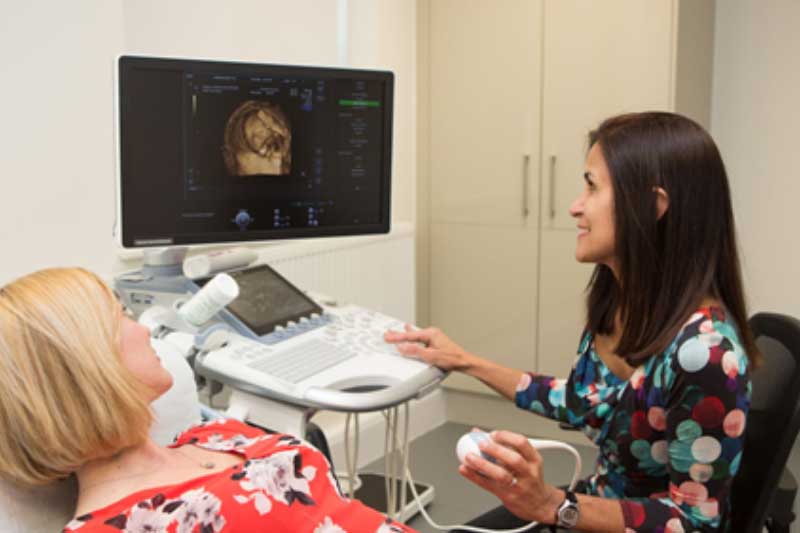
A pregnancy ultrasound is a prenatal imaging test used to evaluate fetal development and support clinical decision-making throughout pregnancy. A pregnancy scan provides real-time visual information, confirms key milestones, and identifies factors that need closer monitoring. Here’s more information on what pregnancy ultrasounds are used for:
Confirming Pregnancy and Dating
The first trimester is a period of rapid developmental change; early monitoring provides key information on the viability of the pregnancy. A pregnancy ultrasound performed during the first 12 weeks primarily confirms that the embryo implanted correctly within the uterus. This rules out an ectopic pregnancy, which occurs when the embryo implants outside the uterus and requires immediate medical attention.
Doctors also use this early ultrasound to detect the fetal heartbeat. Establishing the presence of a heartbeat is a major milestone, and it provides reassurance regarding the pregnancy’s progression. The sonographer also measures the embryo’s size to estimate the due date with high accuracy. This dating scan is often more accurate than calculating from the last menstrual period alone.
Checking Anatomy and Growth
The mid-pregnancy ultrasound, often called the anatomy scan, occurs between 18 and 22 weeks of gestation. This examination is a comprehensive review of the fetus’s physical development and structural integrity. Here are some of the specific areas the sonographer checks:
- Brain and Spine: The scan checks the development of the brain’s ventricles and verifies that the spine is fully formed without openings.
- Heart: The sonographer examines the four cardiac chambers and the outflow tracts for congenital defects.
- Face: The examination includes assessment for cleft lip or palate to inform any necessary postnatal care.
- Abdominal Organs: The stomach, kidneys, and bladder are examined to confirm their presence and function.
- Extremities: The scan counts the fingers and toes and measures the lengths of the long bones of the arms and legs.
- Placenta Position: The location of the placenta is noted to confirm it does not cover the cervix, a condition known as placenta previa.
If the position of the fetus allows, this is also the time when parents may learn the biological sex of the fetus.
Monitoring Well-Being and Delivery
As the pregnancy enters the third trimester, the focus shifts toward estimating fetal size and planning for a safe delivery. This pregnancy ultrasound helps the team contemplate the best mode of delivery and timing. Common reasons for performing ultrasounds in the third trimester include the following evaluations:
- Fetal Growth: Measurements of the head, abdomen, and thigh bone are used to estimate fetal weight and assess for growth restriction or macrosomia (excessive size).
- Amniotic Fluid Volume: The amount of fluid surrounding the fetus is measured to make sure it is not too low or too high.
- Fetal Position: The scan determines if the fetus is head-down (vertex) or feet-first (breech), which influences delivery options.
- Placental Health: The doctor re-evaluates the placenta to check its function and verify that it has moved away from the cervix.
- Biophysical Profile: This test combines ultrasound monitoring with a non-stress test to assess fetal movement, muscle tone, and breathing.
These assessments offer data that helps the obstetrician manage the final weeks of pregnancy safely.
Book Your Pregnancy Ultrasound Today
Pregnancy ultrasounds are a fundamental component of prenatal care that offer significant information at every stage of gestation. These scans enhance patient and fetal safety by confirming viability and informing delivery planning. They allow medical providers to intervene early when necessary and provide parents with a clear understanding of fetal development. For specialized monitoring or routine checks, contact a trusted medical clinic near you to book your pregnancy ultrasound today.