

Joint discomfort can affect daily activities, from walking and exercising to simple movements. Individuals experiencing joint-related issues may seek various approaches to manage their symptoms. One option available in the field of regenerative medicine is platelet-rich plasma, commonly known as PRP. Understanding PRP injections and the process involved can help individuals make informed decisions about their wellness journey.
What Are PRP Injections?
Platelet-rich plasma is a substance derived from a person’s own blood. Blood is composed of several components, including red blood cells, white blood cells, plasma, and platelets. Platelets are small cell fragments known for their role in blood clotting. They also contain proteins called growth factors, which are involved in the body’s natural healing processes.
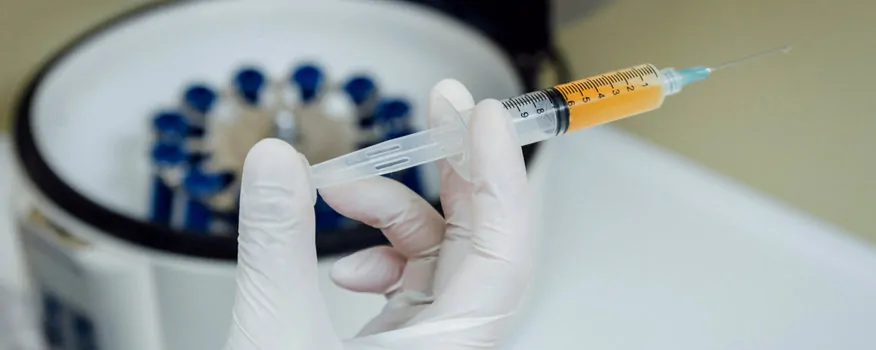
To create PRP, a small sample of a patient’s blood is drawn, similar to a routine blood test. This sample is then placed into a centrifuge, a machine that spins at high speed to separate the blood components based on their density. This process concentrates the platelets and growth factors within the plasma into PRP. The resulting platelet-rich plasma can have a much higher concentration of platelets than is typically found in blood and is then prepared for injection.
What Does It Address?
PRP injections are used in different fields of medicine. In the context of orthopedics and joint health, they are applied to address discomfort and functional limitations associated with various musculoskeletal conditions. The goal of administering PRP is to introduce a high concentration of growth factors directly to a specific area of the body. The application of PRP is often directed toward joints that experience wear and tear or have been affected by injury; common areas for these injections include the knees, hips, shoulders, and elbows. The procedure is intended to support the body’s innate repair mechanisms in the targeted tissue.
What Should You Expect?
The process for receiving PRP injections is typically straightforward and is performed in an outpatient setting by professional medical caregivers. On the day of the procedure, the first step is the blood draw. A medical professional will collect a small volume of blood from a vein in your arm; the blood is then processed in the centrifuge to prepare the PRP.
Once the PRP is ready, the joint area is cleaned. A local anesthetic may be applied to numb the skin and minimize discomfort during the injection. The prepared PRP is then slowly injected. The entire appointment typically lasts less than an hour. After the injection, patients are generally able to return home the same day. Post-procedure instructions may include resting the joint, avoiding strenuous activity for a period, and following a specific rehabilitation protocol.
Seek Professional Wellness Services
Navigating options for joint pain requires guidance from qualified healthcare professionals. A specialist can offer a complete assessment of your medical condition and discuss the full range of available treatments. By consulting with an expert, you can receive personalized information about procedures like PRP injections and develop a management strategy tailored to your specific health needs and goals.

