

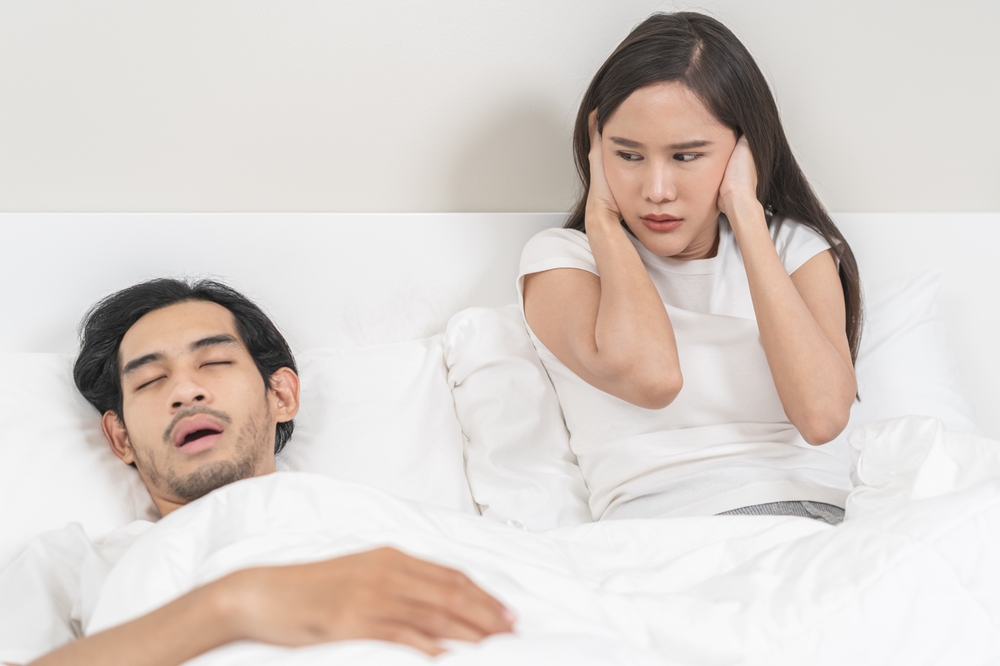
Snoring happens when air moves through blocked airways in the nose and throat during sleep. Soft tissues vibrate and make noise, but the reasons for snoring are different for everyone. Both lifestyle habits and physical structure affect it, and a snoring specialist can help find the most suitable solution. Understanding these causes is helpful for identifying the right treatment.
Understanding Common Causes
Multiple factors, both physical and behavioral, contribute to snoring. The shape of the mouth and sinuses changes airflow. For example, a low or thick soft palate can narrow the airway, and a long uvula increases vibration. Extra tissue in the throat, which is common in people who are overweight, often blocks the airways further. Chronic nasal congestion, especially due to conditions like a deviated septum, makes breathing at night more difficult and can worsen snoring.
Daily habits also affect snoring. Lying on your back may allow the tongue and throat muscles to collapse during sleep, causing further blockage. Turning to your side sometimes reduces snoring, but effectiveness can vary. Drinking alcohol before bed relaxes the throat muscles and makes airway closure more likely. Lack of sleep can also result in weaker muscle tone and louder snoring, creating a loop where poor rest causes more snoring. Talking to a snoring specialist can help find the cause and discuss treatments, especially for sleep apnea.
Diagnosing The Condition
Diagnosis begins with a review of symptoms and a physical exam. The provider checks your nose, mouth, and throat for possible causes and may ask someone who sleeps near you about your habits. Imaging, like X-rays or CT scans, can reveal blockages such as a deviated septum. These exams help specialists understand the exact problem.
A sleep study can provide in-depth data about snoring and possible sleep apnea. You may have a sleep test done at home using a portable device, or stay overnight in a sleep center with more thorough monitoring. These studies track breathing, movement, and heart activity. The results let medical professionals judge how severe the snoring is and what treatment is needed.
Exploring Treatment Options
Lifestyle changes are the first recommendation for many. Weight loss can decrease tissue in the airway, often reducing snoring. Avoiding alcohol before sleep helps throat muscles retain tone. Some people benefit from nasal strips or additional pillows, but these solutions differ from person to person. Medical devices are used for more significant snoring. An oral appliance, which resembles a mouth guard, moves the jaw forward and keeps the airway open during sleep. A CPAP machine provides steady air pressure through a mask, helping maintain open airways.
If other methods do not work, surgery may be considered. Upper airway surgery removes or shifts tissue to create more room. Procedures like uvulopalatopharyngoplasty eliminate excess tissue from the back of the throat, and jaw-advancing surgeries move bones forward for a wider airway. Some people benefit from nerve stimulation, which uses a device to help control tongue movement and keep the airway open. Specialists carefully assess which option fits each individual.
Find a Snoring Specialist
Snoring occurs due to blocked airflow, and while sometimes harmless, it may signal a more serious health issue. Occasional, mild snoring may not need intervention, but regular or loud snoring often requires a thorough medical evaluation. Diagnosis usually involves a physical exam and sometimes a sleep study, both of which help guide treatment. A specialist will design a plan based on your unique situation. Talk to a specialist in your area to learn more.